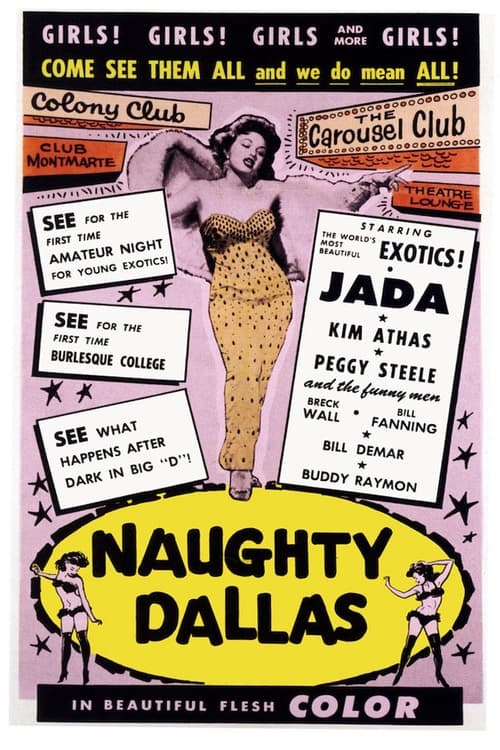
Naughty Dallas
1964
No user ratings available yet
Representation score: 2.0 out of 10
Representation Score
Excellent
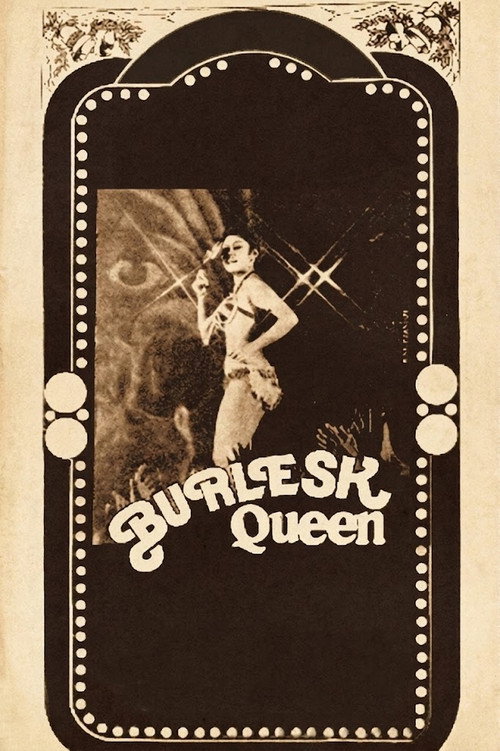
1977
Director
Celso Ad. Castillo
Runtime
129 minutes
Average Rating
No ratings yetNew Showbiz Analysis
Burlesque Queen is a story of disruption and upward mobility. It follows Chato's journey from a utility worker to a professional sensation, using the burlesque stage to reclaim power. The film effectively uses the protagonist's journey to challenge established social and professional hierarchies. The film excels in portraying female empowerment and the subversion of traditional domestic roles. By focusing on a woman's pursuit of stardom against traditional familial expectations, it provides a compelling look at individual empowerment within a specific cultural context. While the film offers strong gender and cultural perspectives, it lacks explicit details regarding LGBTQ identities. Additionally, the portrayal of disability appears primarily functional, serving as a motivator for the protagonist rather than a fully realized character study.
Category Breakdown
The burlesque setting challenges traditional performance standards. However, the film focuses more on gender performance for economic reasons than on explicit LGBTQ identities.
The film highlights female empowerment by showing Chato's rise from domestic servitude to professional success. She takes control of her economic destiny.
As a Philippine film, it offers a non-Western cultural perspective. It focuses on local socioeconomic struggles rather than Anglo-Saxon viewpoints.
The story examines the tension between traditional obedience and individual ambition. It frames the burlesque industry as a path to empowerment, challenging conventional morality.
A paralytic father introduces themes of physical impairment and caregiving burdens. His disability serves as a catalyst for the protagonist's labor and socioeconomic pressures.
Present on Screen
Limited or Absent
Official Synopsis
To support her paralytic father, Chato works as a utility girl for a burlesque star Virgie Nite. But when Virgie gets drunk on the night of her scheduled show, Chato pitches in for her. And she becomes an instant sensation. Enthused by the initial acceptance of the audience, she defies her father's admonitions and presents herself to the manager. And thus, becoming the new burlesque queen.
1964
1961
1971

1956
1969
1995
1971
2010
No reviews yet. Be the first to share your thoughts on this movie!
Use the rating form above to leave a star rating and optional review.