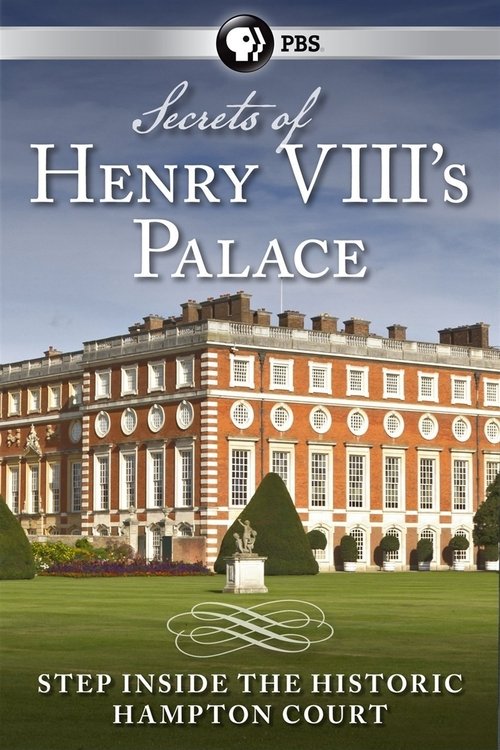
Secrets of Henry VIII's Palace: Hampton Court
2013
No user ratings available yet
Representation score: 0.4 out of 10
Representation Score
Limited
2013
TV-PGDirector
Vicky Matthews
Runtime
54 minutes
Average Rating
No ratings yetNew Showbiz Analysis
Secrets of the Tower of London serves as a standard historical documentary focused on educational and architectural preservation. The film prioritizes the institutional history of the fortress, such as its roles as a prison, armory, and mint, rather than social commentary. Because the subject matter is centered on British royal history, the perspective remains largely Eurocentric. The narrative lacks the intentionality required to challenge conventional social hierarchies or provide meaningful characters who reflect more than one aspect of diversity. Ultimately, the film offers a traditionalist view of Western institutional development. It functions as a historical record without exploring the complex human identities or diverse social dynamics that modern cinema often highlights.
Category Breakdown
The film functions as a historical survey of a royal fortress. It does not include any LGBTQ+ character arcs or narratives addressing non-straight relationships.
The narrative focuses on the Tower's institutional functions. It does not challenge traditional gender hierarchies or portray masculinity in non-traditional ways.
The subject matter is deeply rooted in British royal history. The documentary adheres to a traditional Eurocentric lens without evidence of diverse casting or non-Anglo-Saxon storytelling.
The film explores Western institutions like the monarchy and the legal system. It emphasizes the importance of these traditional structures rather than critiquing them.
The documentary focuses on architectural and historical milestones. There is no evidence of the portrayal of neurodivergence or physical disabilities.
Present on Screen
Limited or Absent
Official Synopsis
A tour of the Tower of London, which has served as a royal castle, prison, place of execution and torture, armory and mint during its almost 1000 years of existence.
2013

2013
2013

1954
2018
2015
2012

2017
No reviews yet. Be the first to share your thoughts on this movie!
Use the rating form above to leave a star rating and optional review.