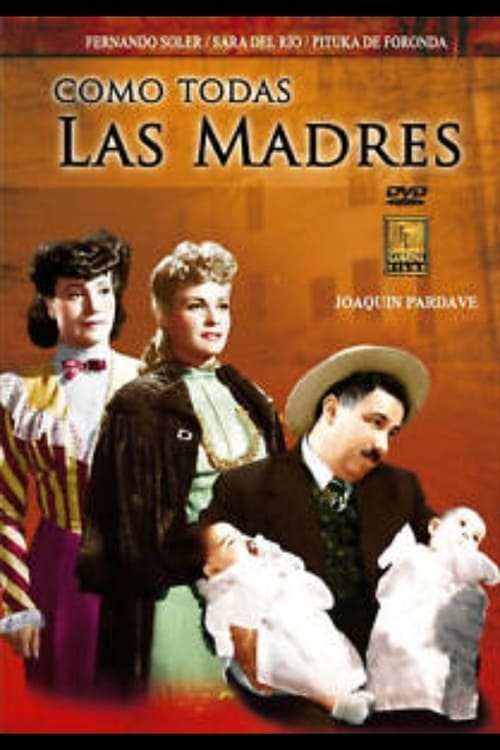
Like All Mothers
1945
No user ratings available yet
Representation score: 3.2 out of 10

Representation Score
Limited
1941
Director
Fernando de Fuentes
Runtime
124 minutes
Average Rating
No ratings yetNew Showbiz Analysis
Fernando de Fuentes’ seminal work establishes a unique Mexican national identity. By centering Mestizo life in a rural village, the film successfully challenges the dominance of foreign cinematic clichés and Eurocentric perspectives. However, the film remains tied to the social hierarchies of its time. It lacks depth in addressing gender and sexuality, functioning more as a traditional moral satire than a tool for social change. Ultimately, while the film is culturally significant for its authentic ethnic portrayal, it upholds traditional communal values and patriarchal structures rather than questioning them.
Category Breakdown
The film does not include any LGBTQ+ characters or non-binary gender identities. It stays within the confines of traditional heterosexual relationships of 1940s rural Mexico.
Characters mostly adhere to traditional gender roles and patriarchal structures. While the mother demonstrates strength in raising her family, the film does not challenge male authority.
The film offers strong representation of Mexican and Mestizo identity. By focusing on a local, non-Anglo-Saxon cast, it counters Eurocentric norms through a natural rural setting.
The narrative employs satire to criticize how greed undermines community stability. However, its dependence on religious elements and traditional moral frameworks limits its cultural complexity.
There are no visible or hidden disabilities shown. Characters are defined by their socioeconomic and moral responses to the plot rather than through physical or neurodivergent lenses.
Present on Screen
Limited or Absent
Official Synopsis
The story follows Teresa, a widowed and protective mother who travels with her children to Mexico City, where she meets a merchant named Ángel, who helps her build a new life.
1945

1945
1940

1957
1958
1948

1944
1950
No reviews yet. Be the first to share your thoughts on this movie!
Use the rating form above to leave a star rating and optional review.