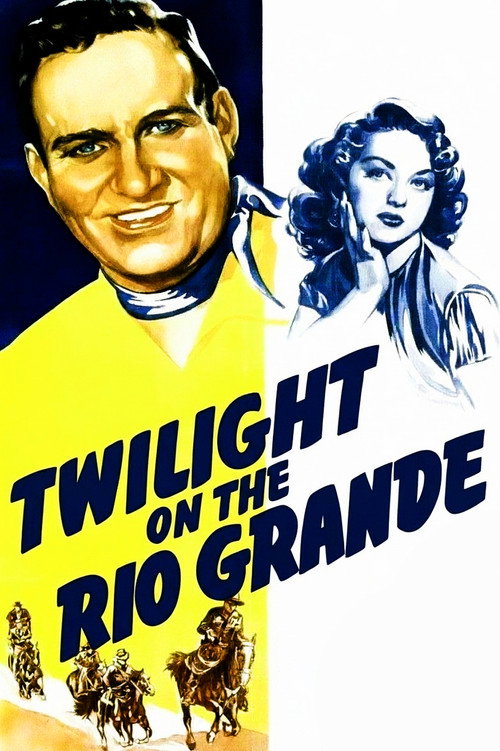
Twilight on the Rio Grande
1947
No user ratings available yet
Representation score: 1.0 out of 10

Representation Score
Minimal
1938
NRDirector
Bobby Connolly
Runtime
19 minutes
Average Rating
No ratings yetNew Showbiz Analysis
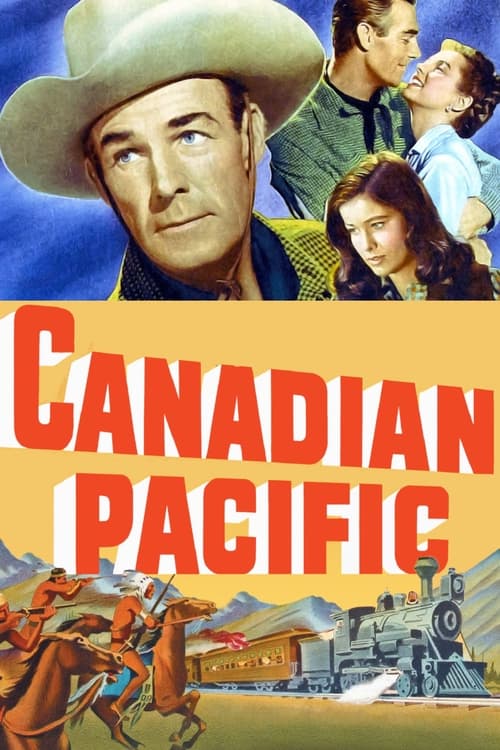
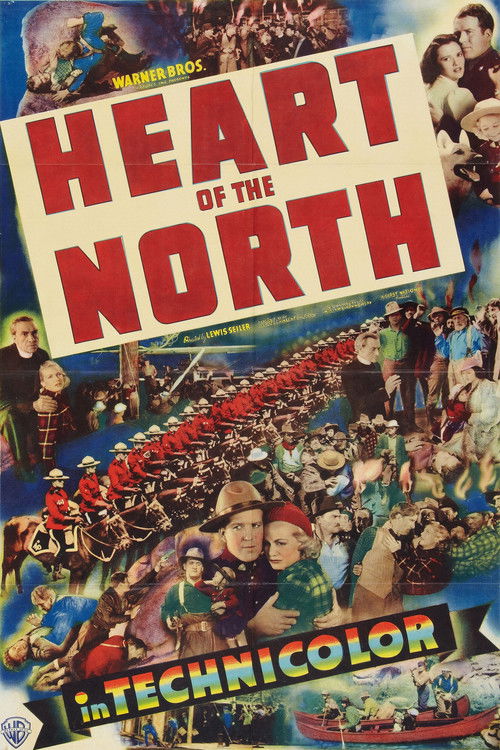
Romance Road opens with the crisp authority of the Royal Canadian Mounted Police, a uniform that signals the film’s central argument: order and progress are synonymous with the state and the railroad. The pictures like the Sergeant, a man of "discretion" who mediates between the encroaching industrial machine and the "ignorant" trappers. The sold meaning is clear: the railroad is the future, and the trappers’ attachment to their "Good Luck Cave" is a charming but obsolete superstition that must be yielded to the "development of the Dominion." The film’s internal logic pulls against its own romantic framing. Dawn MacDonald, the local guide, is the most grounded character, offering the Sergeant a view of the land that is "God's country." Yet, her competence is ultimately subsumed by the male conflict; she is the prize, the host, and the moral compass, but the resolution of the land dispute rests with the Sergeant’s authority and the railroad’s inevitability. The trappers are not villains, but they are framed as obstacles to be "straightened out," their cultural practices dismissed as "silly old French Canuck superstition." The ending settles on a compromise that favors the status quo. The railroad builds, the Sergeant maintains order, and the trappers are left with their diminished territory. The camera loves the uniform and the engine, treating the natural world and the people who live in it as resources to be managed. This is a traditional narrative where the West is tamed by the institution, and the individual—whether French-Canadian or Indigenous—must adapt to the machinery of the nation.
Category Breakdown
No queer characters or same-sex intimacy appear. The romantic focus is strictly heterosexual, centered on the Sergeant and Dawn. Gender non-conformity is absent from the cast and dialogue.
Dawn MacDonald acts as a competent guide and moral anchor, challenging the railroad’s arrogance. However, her agency is framed by her availability as a romantic interest. Male characters control the conflict resolution and physical action.
French-Canadian trappers are primary protagonists but framed as resisting progress. Nina, identified as "Indian," is reduced to a romantic prop for the foreman. She lacks interiority or agency beyond her relationship status.
The film positions the RCMP and Northern Railway as forces of development and order. Trappers’ land rights and superstitions are treated as obstacles to be managed. This affirms the supremacy of industrial expansion over local traditions.
No characters with physical, sensory, or cognitive disabilities are depicted or discussed. The physicality of the film focuses on able-bodied labor, combat, and travel. Disability is entirely absent from the narrative.
Present on Screen
Limited or Absent
Official Synopsis
A Royal Canadian Mounted Police sergeant must mediate a land rights dispute between an advancing railroad construction gang and French Canadian trappers in the rugged Northwest Territory of Canada.
1947
1941
1945
1949
1952
1942

1937
1938
No reviews yet. Be the first to share your thoughts on this movie!
Use the rating form above to leave a star rating and optional review.