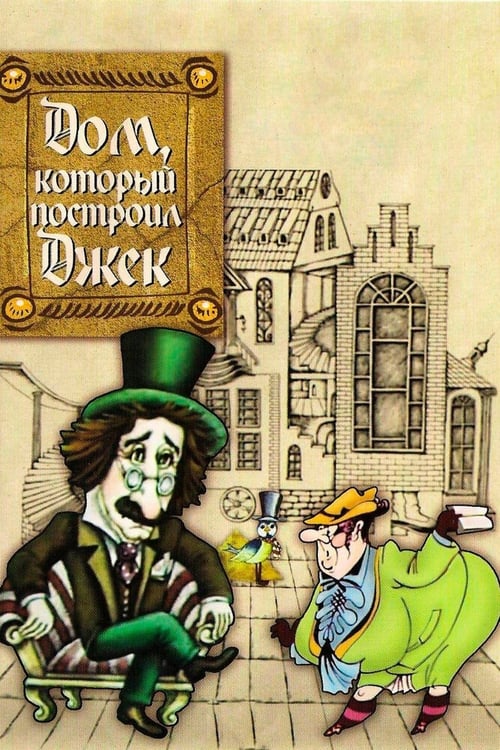
The House That Jack Built
1976
No user ratings available yet
Representation score: 5.5 out of 10
Representation Score
Fair
1989
Director
Vlasta Pospíšilová
Runtime
16 minutes
Average Rating
No ratings yetNew Showbiz Analysis
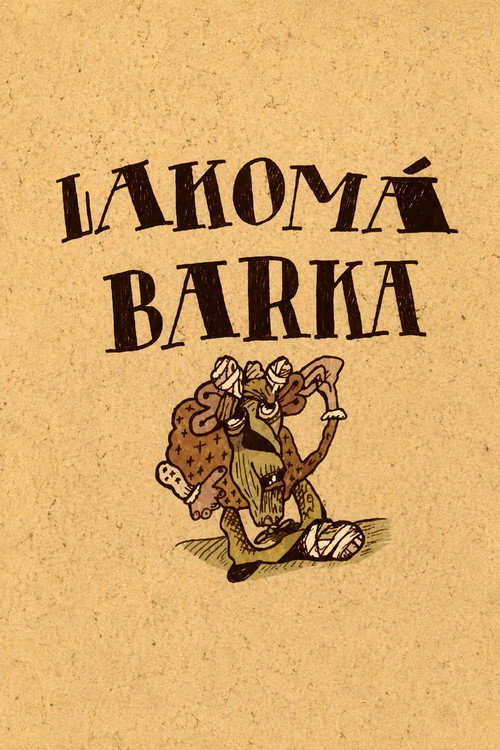
Mean Barbara functions as a dark, cyclical satire that emphasizes systemic dysfunction over individual identity. The film's strength lies in its subversion of the stable community cliché, replacing it with a landscape of moral ambiguity and institutional breakdown. However, the film lacks explicit representation of diverse identities. Its focus on a homogeneous village setting and the absence of varied character backgrounds limit its inclusivity. Ultimately, the film's progressive value is found in its structural critique of social hierarchies rather than its portrayal of specific underrepresented groups.
Category Breakdown
The film does not include any visible LGBTQ+ narratives or characters with non-straight identities. The story revolves around a village's ongoing conflicts and hidden secrets, rather than diverse sexual orientations.
A male schoolmaster and a female antagonist drive the main conflict. The film challenges traditional gender roles by presenting the woman as a powerful force, although she might still fit into conventional female stereotypes.
The narrative likely reflects a homogeneous society typical of its Czechoslovak production context. There is no indication of diverse ethnic or cultural backgrounds in the plot.
The story critiques traditional social institutions and communal values. It explores moral relativism by depicting characters acting based on personal interest rather than a shared ethical code.
There is no mention of characters with physical or cognitive disabilities in the narrative.
Present on Screen
Limited or Absent
Official Synopsis
When the village school master discovers the body of a mean-spirited, miserly old woman, with whom he has had a disagreement, he decides to dispose of the body himself without alerting anyone else to it, but when the body is discovered by another villager the same cycle begins again, with the body eventually passing through the hands of half of the village.
1976

2004
2005
1994

2016
1993

1963
1994
No reviews yet. Be the first to share your thoughts on this movie!
Use the rating form above to leave a star rating and optional review.