Find another title
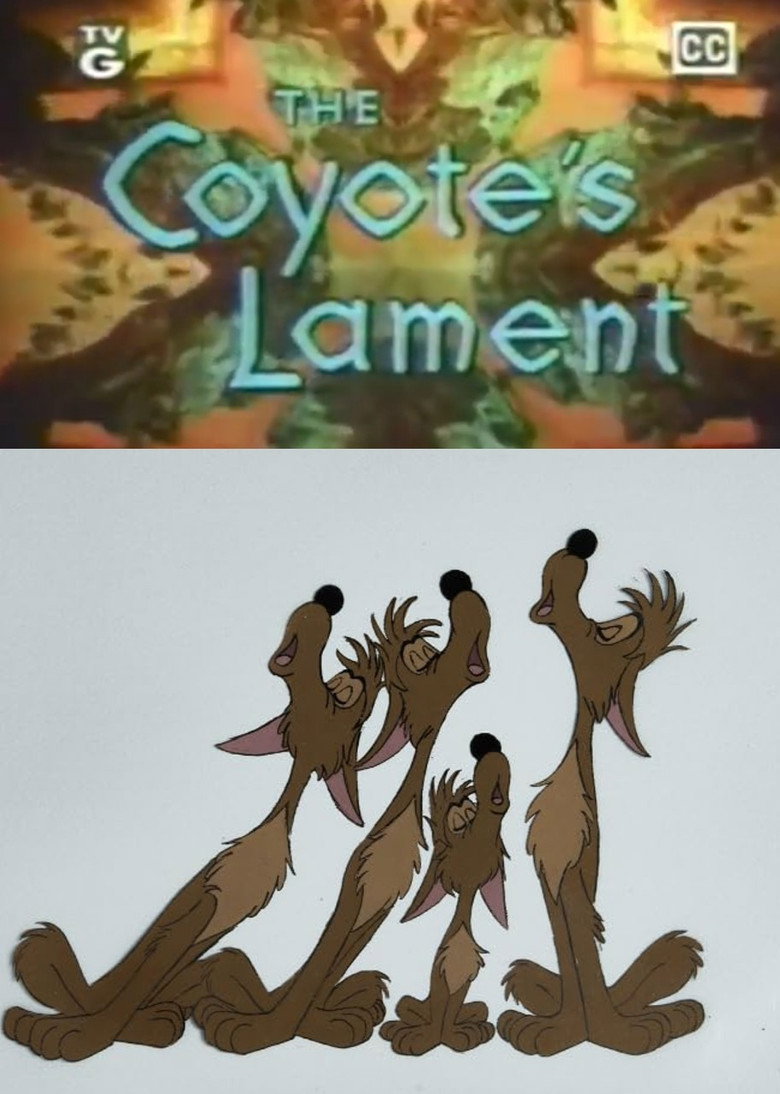
The Coyote's Lament
1961
TV-GDirector
Charles Nichols
Runtime
60 minutes
Average Rating
No ratings yetSynopsis
Walt Disney introduces the coyote's side of his issues with man and dog.
Where to Watch
Diversity & Representation
Overall Score
Limited
Category Breakdown
LGBTQ+ Representation
The film contains no evidence of queer narratives or non-heteronormative identities. The 1961 production likely adheres to the conventional social structures of its era.
Gender Representation
The story focuses on inter-species conflict rather than human gender dynamics. It remains unclear if the struggle for agency extends to subverting traditional gender hierarchies.
Racial & Ethnic Diversity
The narrative centers on animal archetypes and the relationship between man and nature. It lacks evidence of intentional racial blending or diverse casting.
Religious & Cultural Diversity
The film offers a sympathetic lens toward the coyote, challenging the singular moral authority of man. This shift provides a slight disruption of conventional morality.
Disability Representation
There is no information regarding the depiction of neurodivergence or physical disabilities. The narrative arc does not address these themes.
Strengths
- The film provides a subjective moral perspective by framing the coyote as a sympathetic figure rather than a villain.
- The narrative challenges the singular authority of 'man' and 'dog' by exploring a non-human viewpoint.
Areas for Improvement
- The film lacks intersectional complexity and systemic critique.
- The narrative defaults to homogeneous perspectives typical of its production era.
- There is no visible representation of gender-based narrative disruption or diverse human identities.
AI Analysis
The Coyote's Lament functions as a traditional mid-century fable. By centering a marginalized biological perspective, the film provides a minor critique of dominant hierarchies through the coyote's viewpoint. However, the work lacks intersectional complexity. The focus on animal archetypes and the historical context of 1961 Disney productions suggest a narrative that stays within established storytelling tropes. Ultimately, the film's diversity is limited by its era and its focus on biological rather than socio-political frameworks.
Rate this Movie
Reviews
No reviews yet. Be the first to share your thoughts on this movie!
Use the rating form above to leave a star rating and optional review.