Howard the Duck
1986
No user ratings available yet
Representation score: 2.0 out of 10
Representation Score
Limited
1964
NRDirector
Nicholas Webster
Runtime
81 minutes
Average Rating
No ratings yetNew Showbiz Analysis
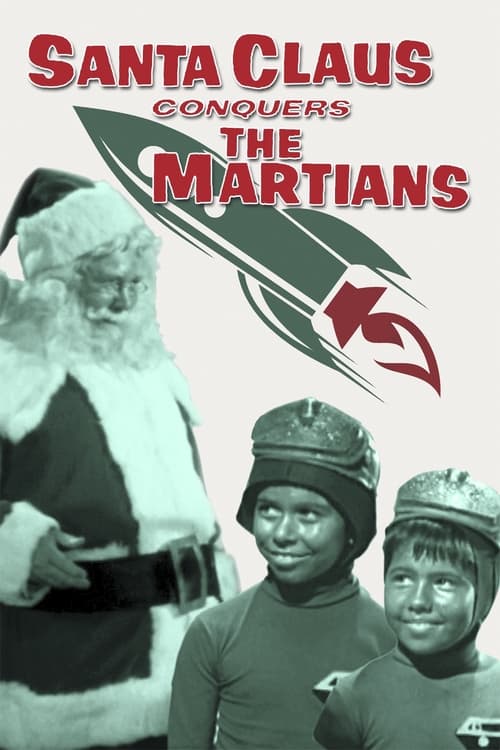
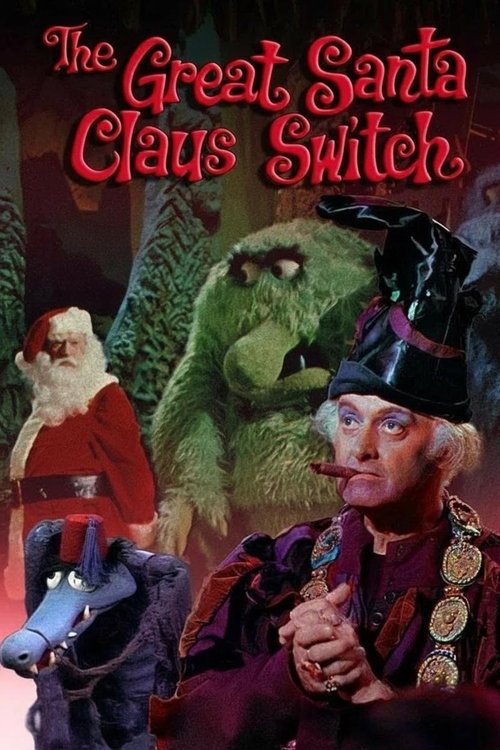
This 1964 science fiction comedy operates as a traditional genre piece that reinforces mid-century social hierarchies. The narrative structure prioritizes escapism and straightforward morality over exploring diverse identities. The film relies on established archetypes, with power dynamics and character roles strictly following the conventions of the time. It lacks the complexity needed to challenge systemic structures or offer diverse representation. Overall, the movie serves as a typical B-movie adventure that reflects the demographic and social norms of its era.
Category Breakdown
The film does not feature any LGBTQ+ characters or explore non-straight relationships. It focuses solely on the binary between Martians and Earthlings, without addressing any non-heterosexual identities.
Male characters hold positions of authority, while female characters are confined to supportive or domestic roles, reflecting the gender hierarchies typical of the mid-20th century.
The cast is primarily composed of white actors, mirroring the demographics of 1960s American cinema. Martian characters serve as sci-fi clichés rather than nuanced representations of diverse ethnicities.
The storyline upholds traditional Western values, presenting conflicts through a lens of altruism versus selfishness. It emphasizes maintaining social order without critiquing Western institutions.
The film does not intentionally depict characters with visible or invisible disabilities. Characters are defined by their roles in the plot rather than by any neurodivergent or physical conditions.
Present on Screen
Limited or Absent
Official Synopsis
Martians fear their children have become lazy and joyless due to their newfound obsession with Earth TV shows. After ancient Martian leader Chochem suggests that the children of Mars need more fun—including their own Santa Claus—supreme leader Lord Kimar assembles an expedition to Earth. Once there, they kidnap two children who lead them to the North Pole, then capture the real Santa Claus, taking all three back to Mars in an attempt to bring the Martian children happiness.
1986
1974
1997

1999
1996
1968
1970
1968
No reviews yet. Be the first to share your thoughts on this movie!
Use the rating form above to leave a star rating and optional review.