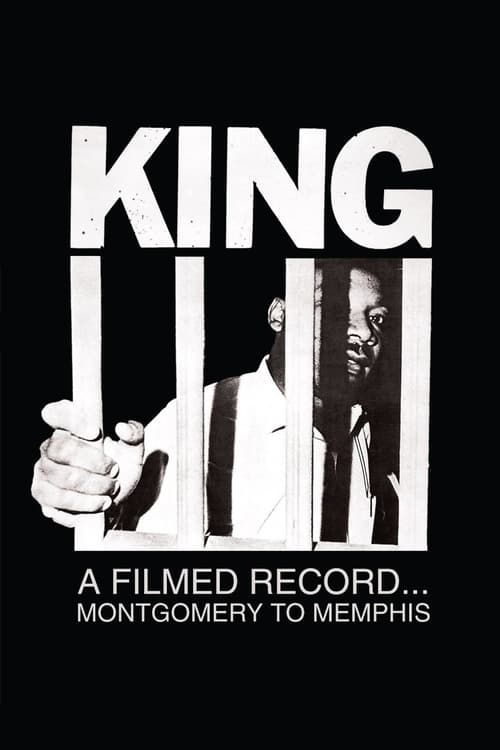
King: A Filmed Record... Montgomery to Memphis
1970
No user ratings available yet
Representation score: 3.9 out of 10
Representation Score
Limited
2010
TV-PGDirector
Donald Boggs
Runtime
55 minutes
Average Rating
No ratings yetNew Showbiz Analysis
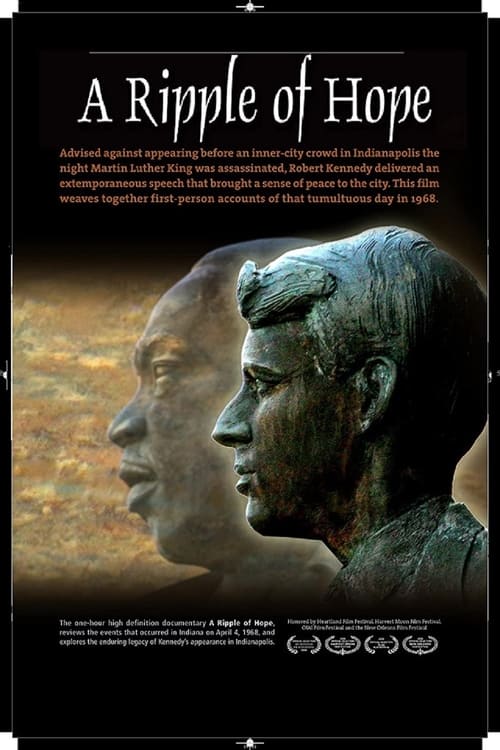
A Ripple of Hope anchors its narrative in the specific historical moment of April 1968. The film uses the assassination of Martin Luther King Jr. to frame the challenges faced by Robert Kennedy’s presidential campaign. This approach prioritizes the intersection of racial justice and political leadership during a period of national upheaval. The representation of race is the strongest element, as the film directly addresses the tensions between racial and economic divisions. It shows how these issues sparked riots and fires across the nation. The focus on Robert Kennedy’s speech in Indianapolis highlights the potential for public leadership to de-escalate social unrest and restore calm. However, the narrative remains heavily centered on prominent male figures. Women are largely absent from the primary leadership roles depicted, and there is no depiction of LGBTQ+ individuals or disability experiences. These absences reflect the specific historical focus of the piece rather than a deliberate exclusion of modern inclusion standards.
Category Breakdown
The documentary contains no LGBTQ+ characters or same-sex relationships. It focuses strictly on 1968 political events and civil rights history. The narrative does not address sexual orientation or gender identity.
Men drive the historical narrative, with Robert Kennedy and Martin Luther King Jr. as central figures. Women are absent from the primary leadership roles depicted. The film reflects the male-dominated political context of the era.
The film centers on the assassination of Martin Luther King Jr. and subsequent racial tensions. It explicitly addresses the bridge between racial and economic divisions. The story highlights the impact of these divisions on American society.
The documentary examines the impact of political violence on community stability. It portrays the power of public speech to calm civil unrest. The narrative fosters a sense of social cohesion during a national crisis.
No characters with physical or mental disabilities are featured or discussed. The story relies on political and social events. It does not include personal health narratives or disability experiences.
Present on Screen
Limited or Absent
Official Synopsis
On April 4th, 1968 the day Martin Luther King Jr. was assassinated, Robert Kennedy was in the midst of a presidential campaign that was attempting to bridge racial and economic divisions. As word of the assassination spread, riots and fires erupted in cities across the nation. Urged to cancel a rally before a mixed crowd in the inner city of Indianapolis, Robert Kennedy refused. The threat of violence was very real. But the few, simple words he spoke that night are credited with creating a sense of calm that settled over those neighborhoods during chaotic days following Dr. King’s death.
1970
1984
2004
2012
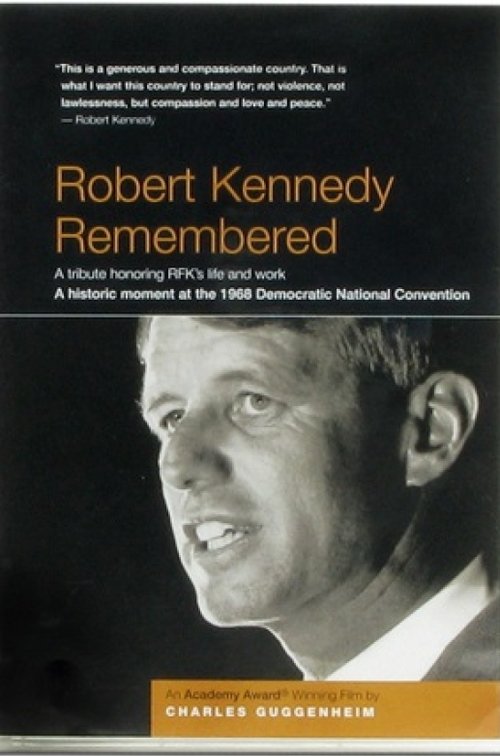
1968
2017
1968

2015
No reviews yet. Be the first to share your thoughts on this movie!
Use the rating form above to leave a star rating and optional review.