
Roman
2006
No user ratings available yet
Representation score: 6.9 out of 10
Representation Score
Fair
2013
Director
Charles de Lauzirika
Runtime
113 minutes
Average Rating
No ratings yetNew Showbiz Analysis
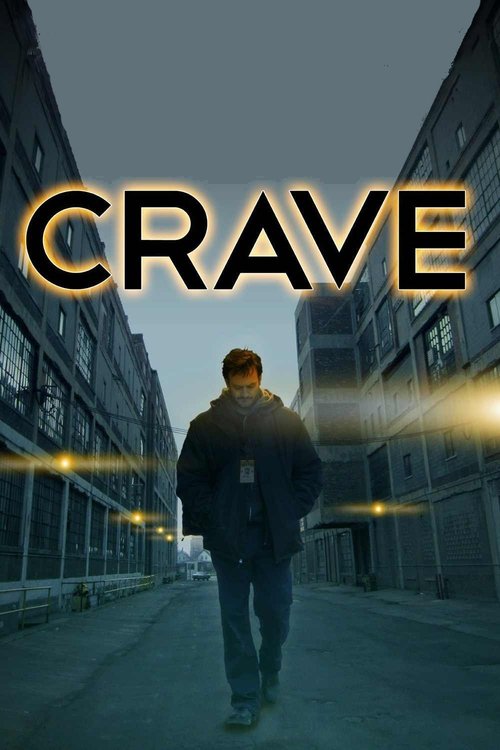
Crave is a psychological thriller that prioritizes character obsession and moral ambiguity over overt social messaging. While it avoids some traditional gender hierarchies by granting female characters a significant role in driving the story, the film remains firmly within the bounds of conventional genre storytelling. The representation of diversity is largely atmospheric, reflecting the urban environment of Detroit rather than serving as a structural pillar. The narrative focuses on the internal psychological states of its characters rather than exploring broader systemic issues. Ultimately, the film uses its diverse setting and complex character motivations to drive tension, but it does not actively challenge social norms or prioritize diverse identities as central themes.
Category Breakdown
The film operates within a framework that assumes everyone is straight or cisgender, with no evidence of queer narratives or non-binary gender identities present in the story.
The narrative disrupts conventional gender stereotypes by centering women's ability to drive the story and their complex internal lives rather than portraying them as passive objects of the male gaze.
Set in Detroit, the film utilizes a diverse cast that reflects the city's multifaceted demographics. However, racial identity is not a central driver of the plot.
The story focuses on individual psychological fragmentation and moral relativism. It uses the urban setting of Detroit without engaging in broader systemic critiques.
Themes of neurodivergence appear through the protagonist's detachment from reality. These elements function more as psychological thriller clichés than nuanced depictions of lived mental health experiences.
Present on Screen
Limited or Absent
Official Synopsis
Aiden craves a better life. A life away from his gruesome job as a crime scene photographer, working alongside his detective friend Pete. A meaningful life where he can escape the hard streets of Detroit, fall in love with the perfect woman and save the world from evil. As Aiden's dark imagination starts to leak into reality, he meets Virginia, a younger woman with her own dilemmas and desires.
2006

2015

2020
2008

2020

2007

2012
2000
No reviews yet. Be the first to share your thoughts on this movie!
Use the rating form above to leave a star rating and optional review.