
The Replacement
2021
No user ratings available yet
Representation score: 7.0 out of 10
Representation Score
Fair
2008
UnratedDirector
Henrik Ruben Genz
Runtime
90 minutes
Average Rating
No ratings yetNew Showbiz Analysis
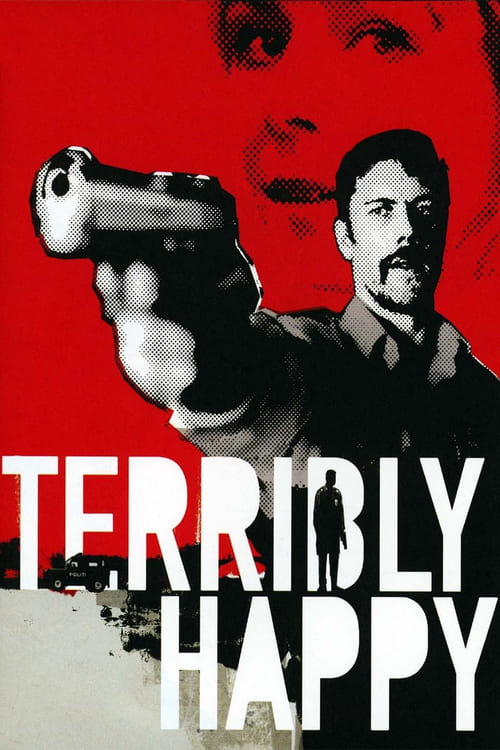
Terribly Happy is a psychological study that stands out by challenging traditional gender roles. The character of Helene offers a complex and disruptive role that defies passive female stereotypes. However, the film's broader impact on representation is limited by its narrow focus on a specific demographic. The homogeneous cast and lack of diverse ethnic or LGBTQ+ perspectives keep the narrative within a traditional framework. Ultimately, while the film excels at questioning social stability and moral certainty, it functions more as a localized character study than a work of inclusive storytelling.
Category Breakdown
The film does not include any significant presence of LGBTQ+ identities or lived experiences. The story focuses solely on psychological tension between main characters without challenging assumptions that everyone is straight or cisgender.
Helene diverges from traditional feminine roles by showing a volatile and dangerous side. Her psychological complexity and violent tendencies challenge the expectation of stable, passive female characters.
Set in a provincial Danish setting, the cast is predominantly made up of people from similar backgrounds. The film sticks closely to local demographics without intentionally including diverse ethnic backgrounds.
The story questions social conformity and strict community judgment through themes of moral relativism. It examines the struggle of an individual against the restrictive structures of a small town.
Psychological instability serves mainly as a tool to build tension in the thriller plot. These mental health elements are used more as devices to create suspense rather than as nuanced portrayals of lived experience.
Present on Screen
Limited or Absent
Official Synopsis
Robert Hansen, 34, a young police officer from Copenhagen, is transferred against his will to the small town of Skarrild in Southern Jutland as a substitute Marshall. The transfer is Robert’s chance to start over. Whether he is allowed to return to his job in Copenhagen, all depends on how well he performs in this frontier town.
2021

2007

2006
2006
2016

2009

2011

2011
No reviews yet. Be the first to share your thoughts on this movie!
Use the rating form above to leave a star rating and optional review.