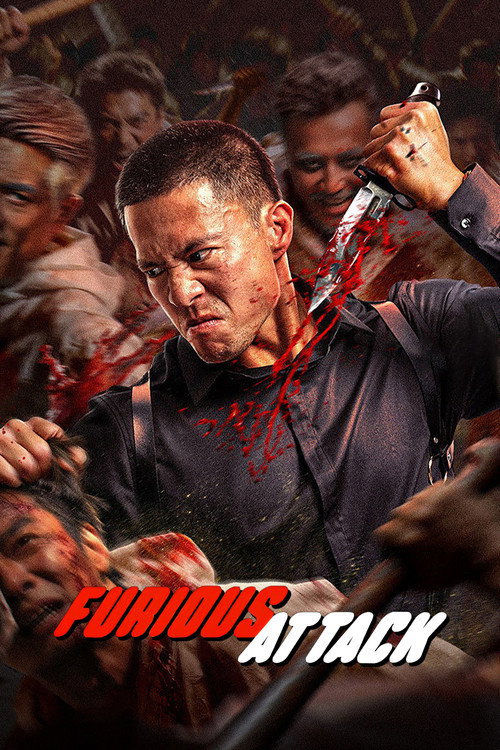
Furious Attack
2026
No user ratings available yet
Representation score: 1.7 out of 10
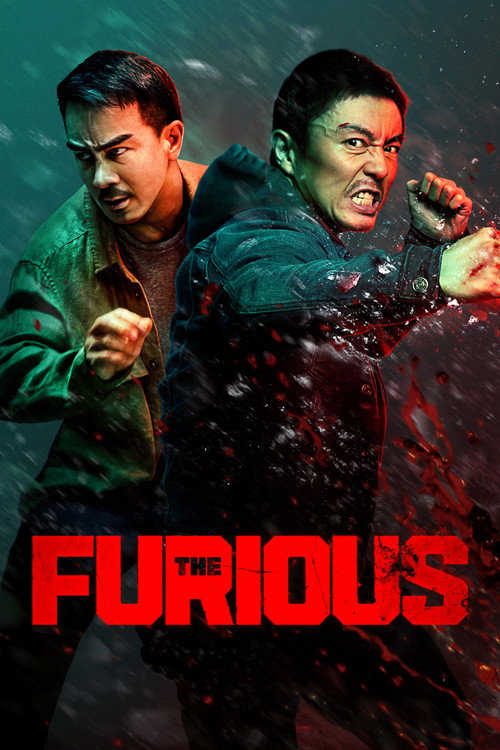
Representation Score
Fair
2026
RDirector
Kenji Tanigaki
Runtime
113 minutes
Average Rating
No ratings yetNew Showbiz Analysis
The Furious earns its strongest marks for casting. A predominantly Asian ensemble from Indonesia, Thailand, and China grounds the Southeast Asian setting and sidesteps Western-centric defaults. That authenticity is the film’s clearest diversity win. Gender and LGBTQ+ representation lag. Two men drive the rescue; a female journalist dies early, and other women function as victims or background. No queer characters appear, leaving the world narrowly straight and male-led. Disability is present but thin. The mute handyman anchors the story, yet his silence is a trait, not a fully realized experience. A limping boy serves only as a plot lure. Cultural framing leans cynical, spotlighting corrupt institutions and personal vengeance over community or tradition.
Category Breakdown
No LGBTQ+ characters or same-sex relationships appear in the plot or cast lists. The story focuses entirely on heterosexual family bonds and a male-female partnership.
The narrative centers on two male protagonists driving the rescue mission. A female journalist is killed early on, and other women appear primarily as victims or background figures.
The film features a predominantly Asian cast with actors from Indonesia, Thailand, and China. This reflects the Southeast Asian setting and avoids the whitewashing common in Western action films.
The plot highlights police corruption and a ruthless criminal underworld, framing local institutions as failing the public. The story prioritizes personal vengeance over legal systems or traditional authority.
A mute handyman is a central character, but his disability is not explored beyond his inability to speak. A limping boy appears briefly as a minor plot device to lure a victim.
Present on Screen
Limited or Absent
Official Synopsis
After a criminal network kidnaps Wang Wei's daughter and the corrupt police refuse to assist him, Wei sets out on his own to locate her. Navin, a tenacious journalist whose wife has mysteriously vanished, is his only ally. In this explosive martial arts showdown, the unlikely duo fights the kidnappers ruthlessly driven by a furious vengeance.
2026
1974
2010

2009
2022
2014
2014

2017
No reviews yet. Be the first to share your thoughts on this movie!
Use the rating form above to leave a star rating and optional review.