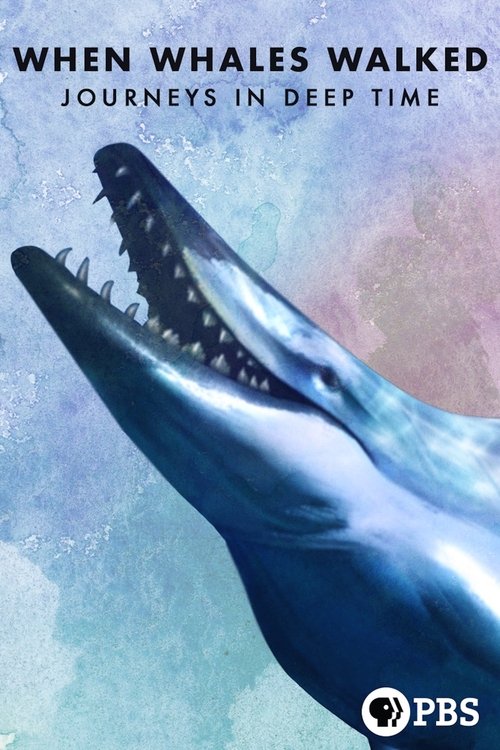
When Whales Walked: Journeys in Deep Time
2019
No user ratings available yet
Representation score: 3.7 out of 10
Representation Score
Good
2024
TV-GDirector
Bella Falk
Runtime
54 minutes
Average Rating
No ratings yetNew Showbiz Analysis
This documentary serves as a standard scientific inquiry into evolutionary history. Its primary goal is the exploration of ancient whale species and the transition of mammals from land to sea. The film avoids harmful stereotypes but lacks the character-driven complexity or multi-layered depth found in more socially conscious productions. It operates within a neutral, non-human-centric framework. Since the subject matter is biological rather than social, the film does not actively engage with or deconstruct human social hierarchies.
Category Breakdown
The documentary focuses on paleontology and evolutionary biology. It does not include any LGBTQ+ characters or narratives about non-straight relationships.
The film centers on fossil discovery and biological processes. While Julia Montgomery Brown is top-billed, the narrative does not address human gender hierarchies.
Set in Egypt's Sahara Desert, the film's location suggests potential regional scientific collaboration. However, specific details about the crew's ethnic makeup are not provided.
The film prioritizes empirical observation and evolutionary science. It maintains a neutral, secular stance typical of natural history documentaries.
The narrative remains strictly focused on the biological evolution of ancient whale species. There is no mention of individuals with physical or neurodivergent disabilities.
Present on Screen
Limited or Absent
Official Synopsis
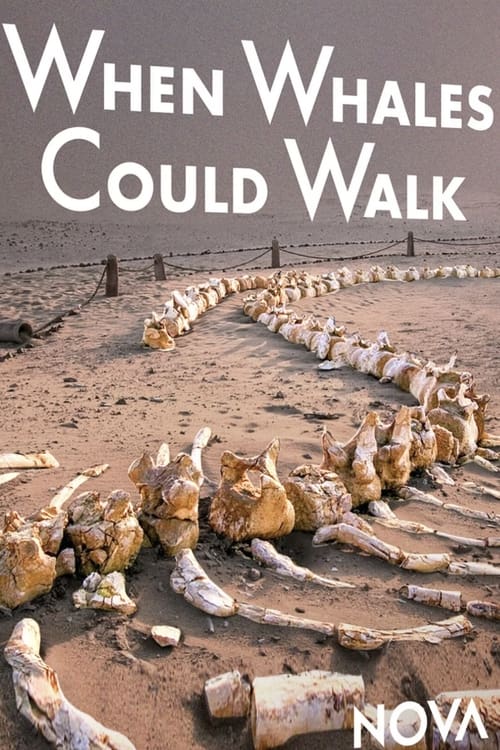
In Egypt's Sahara Desert, massive skeletons with strange skulls and gigantic teeth jut out from the sandy ground. This fossil graveyard, millions of years old, is known as the "Valley of the Whales." Now, paleontologists have unearthed a whole new species of ancient whale dating to 43 million years ago, and this predator wasn't just able to swim – it also had four legs and could walk. Follow scientists as they search for new clues to the winding evolutionary path of mammals that moved from the land into the sea to become the largest animals on Earth.
2019

2005
2015
2011
2018
2013
2015

2009
No reviews yet. Be the first to share your thoughts on this movie!
Use the rating form above to leave a star rating and optional review.