Monkey and Another, Boxing
1891
No user ratings available yet
Representation score: 0.0 out of 10
Representation Score
Minimal
1895
Director
Otway Latham
Runtime
4 minutes
Average Rating
No ratings yetNew Showbiz Analysis
As a lost silent film from 1895, *Young Griffo v. Battling Charles Barnett* serves primarily as a historical document of a prize fight. Its structure is functional and documentary-style, focusing on the physical contest rather than character development. The film adheres strictly to the social structures of the late-Victorian era, emphasizing a singular, masculine-coded activity that lacks engagement with diverse identities or narratives challenging systemic power dynamics. Because the film is a lost work, much of the assessment relies on the historical context of 19th-century athletics. The subject matter is inherently limited to the physical competition between two male fighters.
Category Breakdown
The film focuses solely on a physical contest between two men and does not address LGBTQ+ identities or narratives that challenge traditional gender norms.
The work centers entirely on masculine combat and physical prowess, reinforcing traditional hierarchies by presenting a strictly male-dominated space without any female characters taking significant action.
Due to the film's lost status, specific racial identities are unconfirmed. However, it likely reflects the homogeneous casting norms typical of the late 19th century.
This recording documents a period-specific sporting event aligned with Western values of individual combat. It offers no critique of traditional social institutions.
The film features able-bodied athletes engaged in high-impact activity and does not include any characters with physical or cognitive disabilities.
Present on Screen
Limited or Absent
Official Synopsis
A lost film of two boxers.
1891

1892
1894
1895
1894
1897
1894
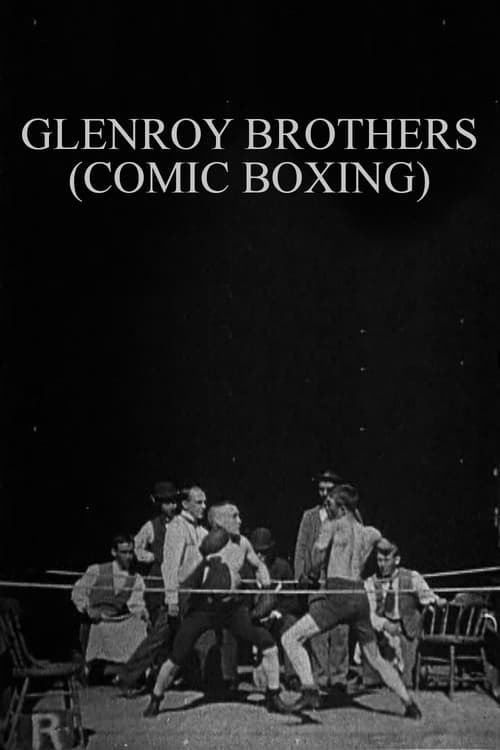
1894
No reviews yet. Be the first to share your thoughts on this movie!
Use the rating form above to leave a star rating and optional review.