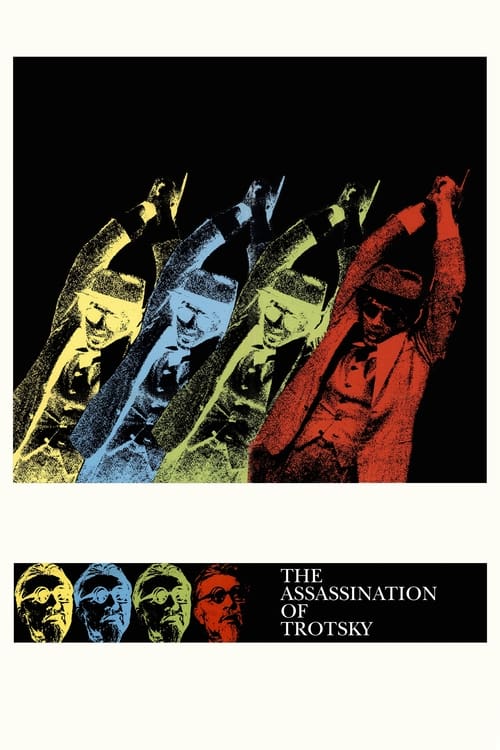
The Assassination of Trotsky
1972
No user ratings available yet
Representation score: 5.1 out of 10
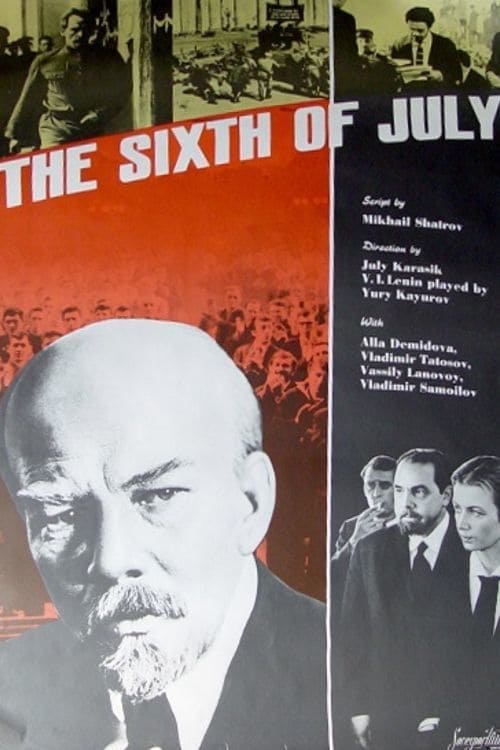
Representation Score
Limited
1968
Director
Yuli Karasik
Runtime
112 minutes
Average Rating
No ratings yetNew Showbiz Analysis
The film is a historical political thriller that prioritizes ideological conflict over diverse representation. Its narrative strength lies in its critique of established diplomatic norms and capitalist-aligned institutions through the lens of revolutionary upheaval. However, the film adheres to traditional genre clichés that limit its breadth. The focus on masculine-coded political combatants and Eurocentric historical tensions results in a narrow demographic scope. Ultimately, the work functions as a period-specific study of power, sacrificing diverse representation to maintain its focus on the specific geopolitical tensions of 1918.
Category Breakdown
The film does not include any LGBTQ+ characters or stories that go beyond the assumption that everyone is straight or cisgender. It focuses on high-stakes political conflicts and state-level battles.
The story centers around a political coup, which emphasizes masculine leadership and military action. There is no indication that the film challenges traditional gender roles or hierarchies.
The film reflects the Eurocentric political tensions of the early Soviet period. It follows the demographic realities of the time without intentionally blending different backgrounds.
The film stands out by focusing on the dismantling of traditional Western-aligned structures. It prioritizes systemic change over established diplomatic and capitalist-aligned institutions.
There is no evidence of the film portraying physical or neurodivergent disabilities within its narrative.
Present on Screen
Limited or Absent
Official Synopsis
Political thriller based on a story of coup against Bolsheviks by the Left Socialist Revolutionary Party in Moscow on 6–7 July 1918. They assassinate German ambassador in Moscow in hope of gaining public support and dragging the country into new war with Germany.
1972
2014
1956
1969
2004
2016
1966
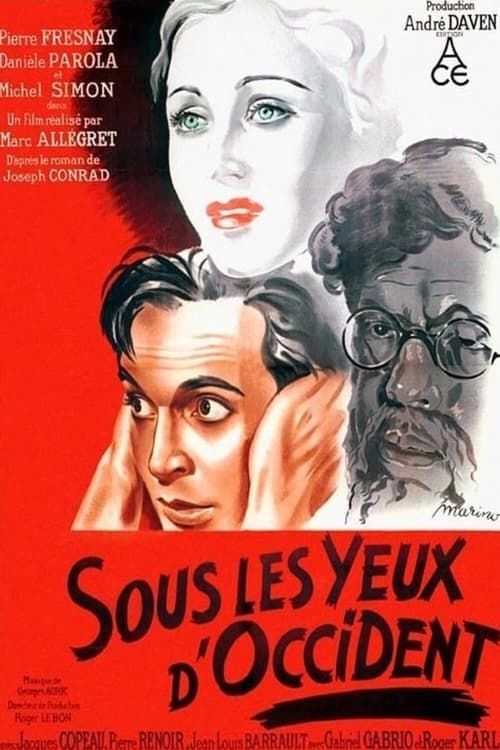
1936
No reviews yet. Be the first to share your thoughts on this movie!
Use the rating form above to leave a star rating and optional review.