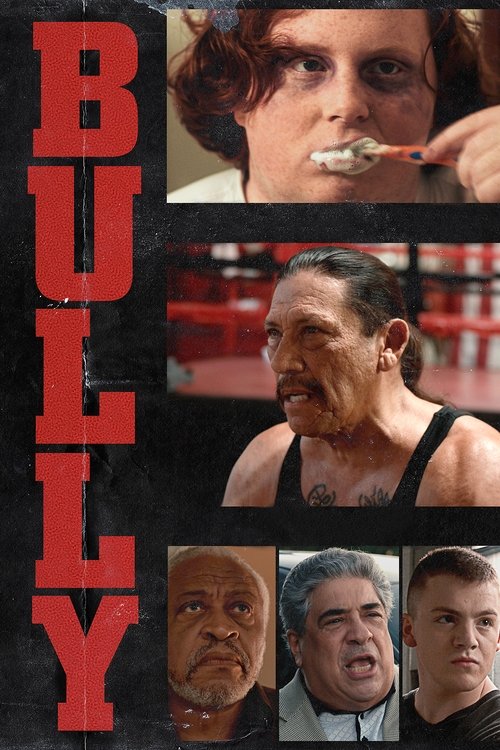
Bully
2018
No user ratings available yet
Representation score: 4.9 out of 10
Representation Score
Limited
2006
Director
Lee Suk-hoon
Runtime
103 minutes
Average Rating
No ratings yetNew Showbiz Analysis
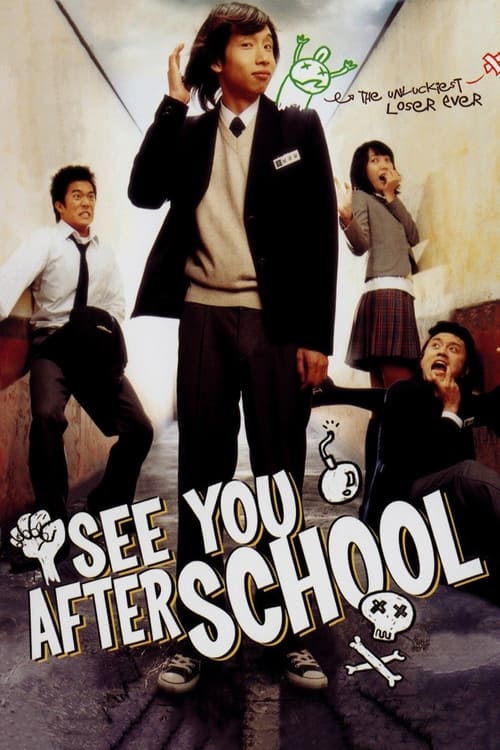
See You After School is a character-driven film that emphasizes localized social realism rather than progressive representation. It operates as a standard genre piece reflective of its specific cultural and temporal context. The film effectively critiques the rigid structure of the South Korean educational system. It highlights the tension between individual ability to act and institutional authority. However, the film falls short in representing various identity categories. It does not address LGBTQ+ identities, disabilities, or multicultural backgrounds, leading to a narrow representational scope that aligns closely with traditional social roles.
Category Breakdown
The film does not feature any characters or narratives related to LGBTQ+ identities. The story revolves around typical peer interactions and societal pressures without addressing non-straight relationships.
The narrative examines the dynamics between male students and female authority figures. However, it does not challenge traditional gender power dynamics or deconstruct conventional masculinity.
The cast predominantly features actors of South Korean descent, reflecting the local setting. The film does not use multicultural casting or race-bending to explore diverse backgrounds.
The film critiques the rigidity of institutional systems by focusing on a protagonist who resists disciplinary boundaries. This offers a nuanced look at the pressures within the educational system.
The film does not address any visible or invisible disabilities. There are no characters with physical or cognitive disabilities included in the narrative.
Present on Screen
Limited or Absent
Official Synopsis
After going through training to overcome bullying, a high school teenager who has had problems with his life and his relationships in school must face a bully on the first day school.
2018
2000

2004
2004
2016

2012
2015
2020
No reviews yet. Be the first to share your thoughts on this movie!
Use the rating form above to leave a star rating and optional review.