
Kutsal Damacana: Dracoola
2011
No user ratings available yet
Representation score: 3.8 out of 10

Representation Score
Limited
2010
Director
Korhan Bozkurt
Runtime
98 minutes
Average Rating
No ratings yetNew Showbiz Analysis
Kutsal Damacana 2: İtmen functions as a genre-bending comedy that incorporates global elements to disrupt local storytelling traditions. By including Somali pirates and Buddhist monks, the film moves beyond a narrow domestic focus to embrace a more chaotic, internationalized perspective. However, the film's diversity is uneven. While it successfully presents a pluralistic religious and ethnic landscape, it remains heavily centered on a male protagonist. The lack of LGBTQ+ and disability representation limits its overall inclusiveness. Ultimately, the film's strength lies in its postmodern approach to spirituality and culture, using absurdity to challenge traditional boundaries rather than adhering to a single moral or religious authority.
Category Breakdown
The film does not include any characters or stories related to LGBTQ+ identities. There are no visible depictions of non-straight relationships or gender diversity.
The story focuses on a male-driven journey through Istanbul. Although the absurdist comedy may challenge traditional gender roles, there is no clear evidence of women taking a leading role in the story.
The narrative broadens its cultural scope by featuring Somali pirates. This inclusion shifts the setting away from a purely Turkish context.
The film explores religious diversity by contrasting local contexts with Buddhist monasticism. It avoids a single-minded approach by treating spiritual institutions with humor and absurdity.
There is no information about the portrayal of physical or cognitive disabilities. No such characters or storylines are present in the narrative.
Present on Screen
Limited or Absent
Official Synopsis
Fikret returns to Istanbul to tangle with Somali pirates and sojourns in a Budhist monastery to battle a werewolf.
2011

2007
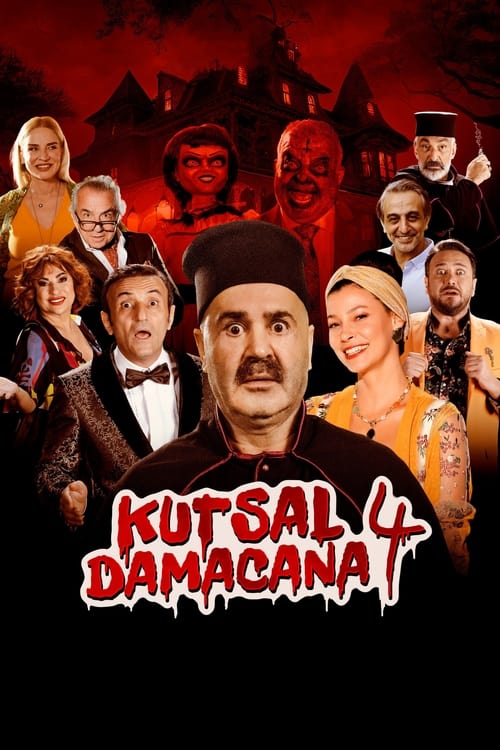
2023
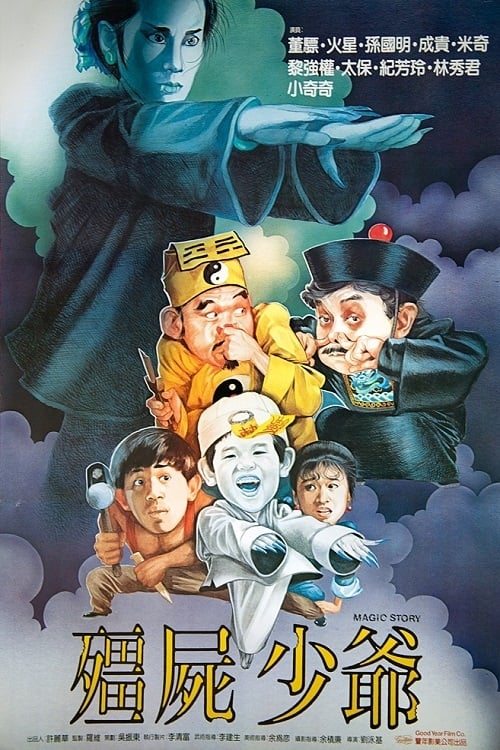
1987
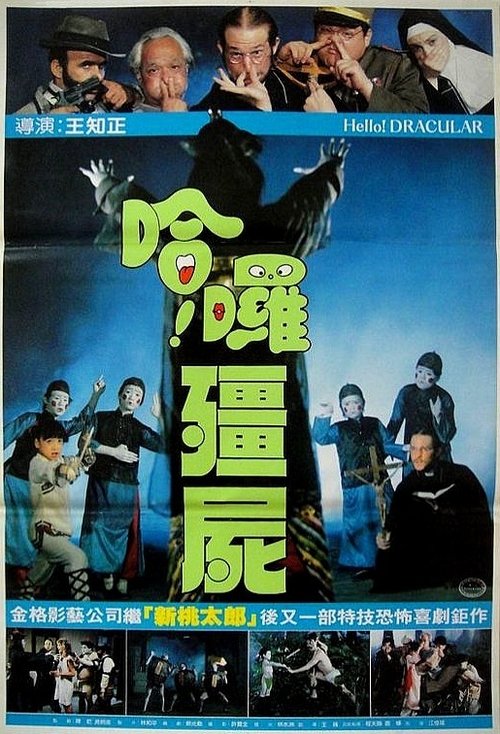
1987
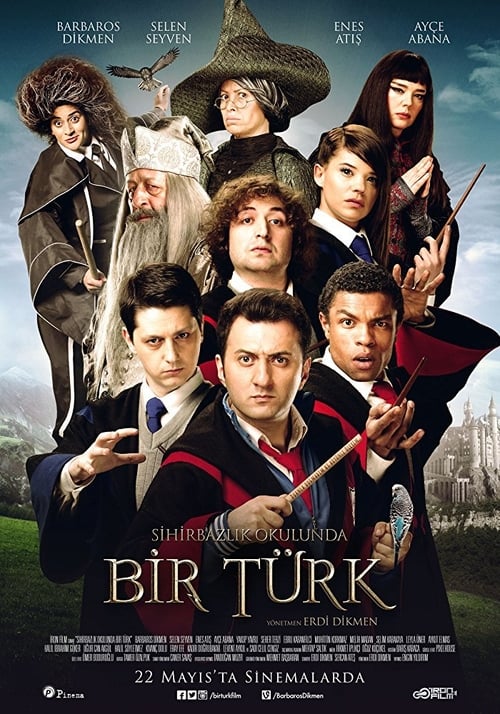
2015
2014
No reviews yet. Be the first to share your thoughts on this movie!
Use the rating form above to leave a star rating and optional review.