
Rangeela
1995
No user ratings available yet
Representation score: 3.6 out of 10
Representation Score
Minimal
1999
Director
Ram Gopal Varma
Runtime
150 minutes
Average Rating
No ratings yetNew Showbiz Analysis
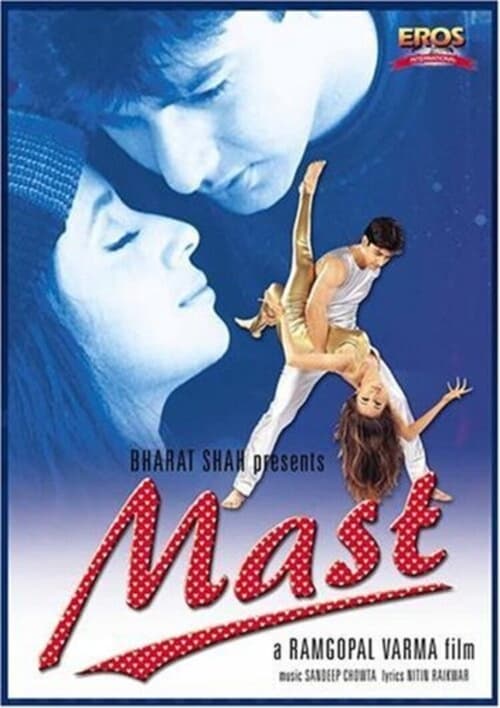
Mast is a genre-driven romantic action drama that focuses on individual destiny rather than social critique. Although it adopts a gritty urban aesthetic that deviates from the polished Bollywood style, the narrative structure remains rooted in conventional formulas. By emphasizing the 'protector' and 'heiress' archetypes, the film upholds traditional gender roles and class hierarchies. Ultimately, it lacks the intentionality required to offer nuanced or layered representation, favoring instead a romanticized version of vigilantism and class-based romantic tension.
Category Breakdown
The film does not include any LGBTQ+ characters or identities that go beyond straight relationships. The romantic storyline follows a typical heterosexual couple, which was common in late-90s movies.
Gender roles are clearly defined, with the male lead serving as the main protector. The female character has charm but her role is limited to the romantic subplot where she has little control over her own fate.
The film showcases a culturally specific Mumbai setting. It emphasizes socioeconomic differences rather than exploring a wider range of ethnic or racial identities.
The film supports traditional social hierarchies through standard romantic clichés. It uses the class divide to create tension without critiquing systemic issues.
There are no significant representations of visible or invisible disabilities among the main characters.
Present on Screen
Limited or Absent
Official Synopsis
A young man goes out of his way to meet a film star (Urmila Matondkar), an obsession that caused him to flunk his final exams.
1995

1998

1991
1998

2003

2004

2001
2003
No reviews yet. Be the first to share your thoughts on this movie!
Use the rating form above to leave a star rating and optional review.