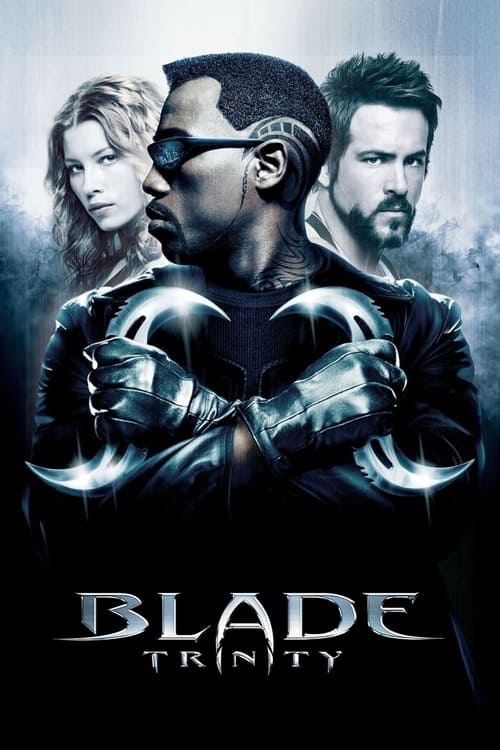
Blade: Trinity
2004
No user ratings available yet
Representation score: 4.8 out of 10
Representation Score
Fair
2004
PG-13Director
Stephen Sommers
Runtime
132 minutes
Average Rating
No ratings yetNew Showbiz Analysis
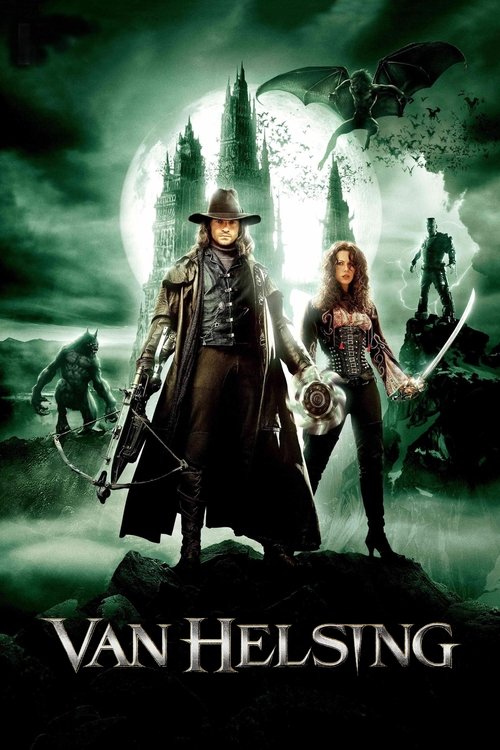
Van Helsing is a high-octane Gothic adventure that grants female characters a significant role in driving the story and tactical importance. Anna Valerius and Ilona drive the plot forward as active participants in the mission. However, the film is heavily tethered to traditional Western storytelling. It relies on the assumption that everyone is straight or cisgender and a Eurocentric demographic that lacks significant racial or ethnic variety. Additionally, the film uses physical 'otherness' as a tool for horror. Instead of providing representation for disability, it frames physical transformation as a monstrous trait to be defeated.
Category Breakdown
The film adheres closely to the assumption that everyone is straight or cisgender. Dracula’s motivations revolve around a lost love, reinforcing traditional romantic ideals without any representation of diverse sexual orientations or gender identities.
Female characters such as Anna Valerius and Ilona play significant roles in driving the story. They act as capable fighters and decision-makers rather than passive figures or damsels in distress.
The casting reflects a Eurocentric setting, focusing on Eastern European and Anglo-Saxon characters. The film lacks intentional ethnic diversity or a focus on non-Western demographics.
The narrative complicates the distinction between good and evil by giving Dracula a sympathetic backstory. It also portrays religious and scientific institutions with a degree of skepticism.
Physical transformations are used as horror devices to create monsters. These alterations are framed as threats to be neutralized rather than depictions of lived disability.
Present on Screen
Limited or Absent
Official Synopsis
Famed monster slayer Gabriel Van Helsing is dispatched to Transylvania to assist the last of the Valerious bloodline in defeating Count Dracula. Anna Valerious reveals that Dracula has formed an unholy alliance with Dr. Frankenstein's monster and is hell-bent on exacting a centuries-old curse on her family.
2004
2007
2005
2005
2014
1960
2012

1973
No reviews yet. Be the first to share your thoughts on this movie!
Use the rating form above to leave a star rating and optional review.