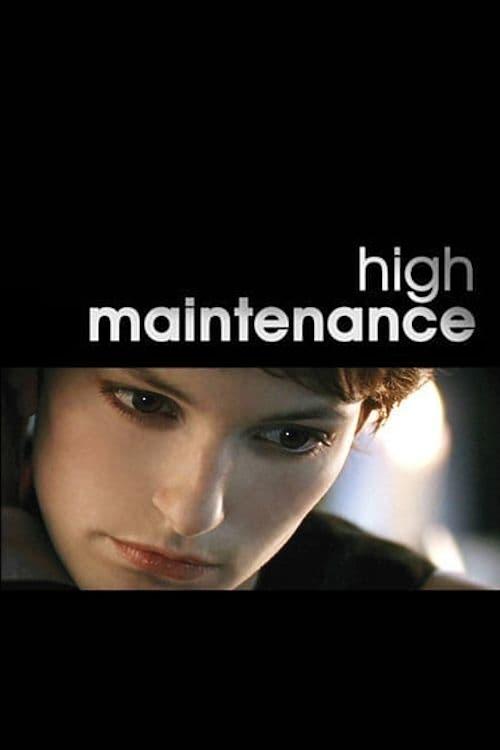
High Maintenance
2006
No user ratings available yet
Representation score: 5.8 out of 10
No Poster Available
Representation Score
Minimal
2007
12Director
Martin Duda
Average Rating
No ratings yetNew Showbiz Analysis
Martin Duda’s film serves as a philosophical allegory rather than a study of social identity. The main conflict revolves around a human actor’s tardiness compared to a precise robot, using this contrast to criticize the dehumanizing effects of systemic efficiency. While the film provides a thoughtful commentary on the displacement of humans by automation, it lacks the layered exploration of diverse identities found in more inclusive works. The narrative remains centered on the existential divide between man and machine. Overall, the film’s scope is limited. It prioritizes a technological metaphor over exploring issues related to race, gender, or identity-based power structures, leading to a lower score for social representation.
Category Breakdown
The film does not show any non-straight relationships or same-sex intimacy. It also does not question the idea that everyone is assumed to be straight.
The story focuses on the contrast between humans and machines. It does not address gender roles or the changing ideas about masculinity and femininity.
The film takes place in a theater and a city, but there are no clear signs of racial diversity among the characters. The narrative emphasizes the human-machine divide instead of cultural differences.
The film examines themes of rejecting modernity and questioning technological advancement. It criticizes industrial efficiency but does not directly challenge traditional Western institutions.
The film does not explore any neurodivergence or physical disabilities. There are no characters who deal with mental health or physical conditions.
Present on Screen
Limited or Absent
Official Synopsis
A new play is being rehearsed at the theater. The director replaces the perpetually tardy actor with a robot. The offended actor cries out that technology has triumphed over humanity. After rehearsal, the robot sets out on a nighttime stroll through the city. Thanks to its programmed theatrical lines, it becomes a pleasant companion in one of the bars...
2006
1991

2015

2006

2011

2002
1992

2014
No reviews yet. Be the first to share your thoughts on this movie!
Use the rating form above to leave a star rating and optional review.