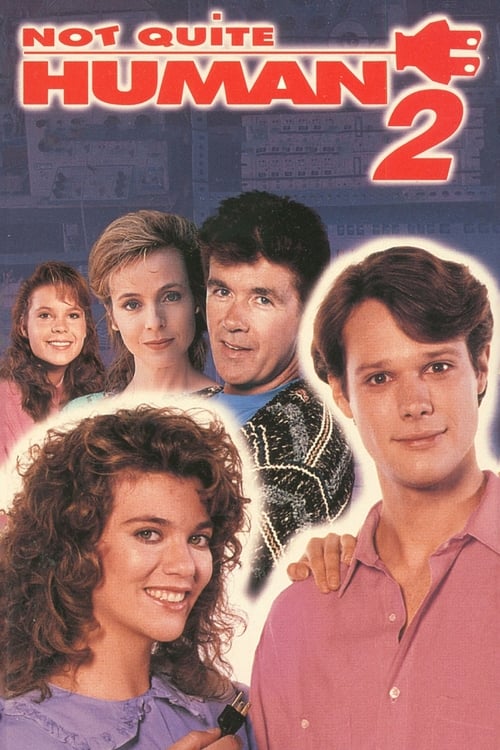
Not Quite Human II
1989
No user ratings available yet
Diversity score: 3.2 out of 10
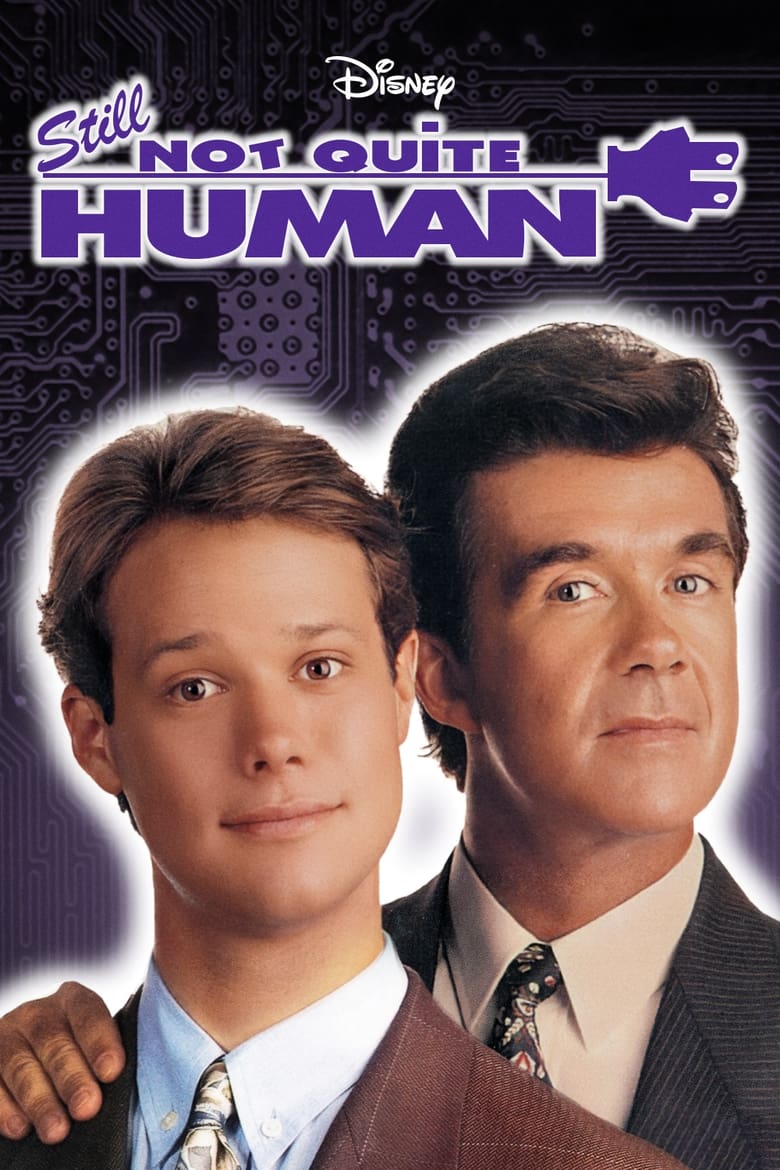
1992
PGDirector
Eric Luke
Runtime
84 minutes
Average Rating
No ratings yetSynopsis
In the final film of the series, Chip and his "father" attend a robotics convention. Here, Dr. Carson is kidnapped and replaced by an android. Can Chip and his newfound friends save Dr. Carson from a dangerous competitor?
Overall Score
Minimal
Category Breakdown
LGBTQ+ Representation
The film contains no visible LGBTQ+ characters or non-cisnormative identities. The story focuses entirely on the protagonist's biological identity crisis without exploring queer themes.
Gender Representation
Female characters occupy conventional supporting roles rather than driving the plot through agency. The film reinforces established gender hierarchies and mid-century domestic archetypes.
Racial & Ethnic Diversity
The cast is relatively homogeneous, reflecting a traditional, Anglo-centric social framework. There is no evidence of intentional color-blind casting or diverse ethnic representation.
Religious & Cultural Diversity
The narrative emphasizes traditional Western values and middle-class suburban life. It avoids critiques of institutions, resolving conflict through standard heroic tropes instead.
Disability Representation
There is no significant depiction of neurodivergence or physical disability. The protagonist's 'otherness' is framed through science fiction rather than lived human disability.
Strengths
Areas for Improvement
AI Analysis
Still Not Quite Human functions as a conventional piece of early-90s family science fiction. It relies heavily on the 'outsider' trope to explore identity, but it does so within very narrow, traditional parameters. The film prioritizes established social norms over any meaningful subversion of hierarchy. The production lacks intersectional depth, presenting a world that feels culturally and racially homogeneous. While the protagonist's struggle with his non-human nature provides a central hook, the film avoids using this metaphor to engage with real-world social complexities like race or disability. Ultimately, the film serves as a time capsule of its era, favoring stable, middle-class Western values and traditional character archetypes over diverse or challenging perspectives.
No reviews yet. Be the first to share your thoughts on this movie!
Use the rating form above to leave a star rating and optional review.