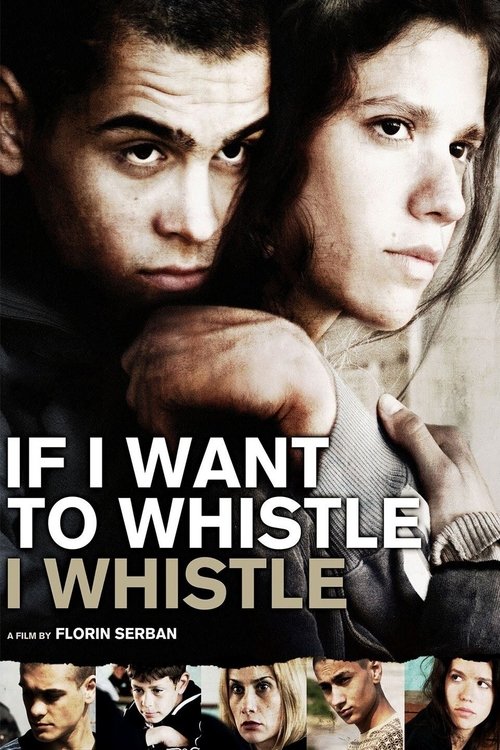
If I Want to Whistle, I Whistle
2010
No user ratings available yet
Diversity score: 3.5 out of 10

2018
Director
Florin Şerban
Runtime
103 minutes
Average Rating
No ratings yetSynopsis
A solitary mountain man finds a young woman who has been beaten and abandoned in the woods. He makes her the object of his passion, but her dark past catches up on them.
Overall Score
Limited
Category Breakdown
LGBTQ+ Representation
The film lacks any discernible LGBTQ+ characters or narratives. The focus remains strictly on heteronormative and volatile interpersonal dynamics.
Gender Representation
The story depicts traditional, strained masculine dynamics within a provincial setting. It portrays masculinity through social expectations rather than subverting gender hierarchies.
Racial & Ethnic Diversity
Casting is predominantly ethnically Romanian to maintain local realism. The narrative presents a homogeneous community without diverse ethnic intersections.
Religious & Cultural Diversity
The film critiques social structures and systemic failures in a post-communist landscape. It offers a nuanced view of social fragmentation and redemption.
Disability Representation
There is no significant exploration of visible or invisible disabilities. The narrative prioritizes psychological trauma and social alienation instead.
Strengths
Areas for Improvement
AI Analysis
Love 1. Dog is a work of social realism that prioritizes atmospheric and psychological depth over demographic representation. It functions as a character study of isolation and the friction between individual agency and a rigid social environment. The film adheres to traditional setting and casting patterns to mirror a specific, localized reality. This commitment to geographic authenticity results in a narrative that reflects a homogeneous community rather than introducing intersectional complexities. Ultimately, the film serves as a mirror to a specific social environment. It avoids disrupting conventional social hierarchies, focusing instead on the struggle for reintegration and the pressures of a provincial life.
2010

2011
2008
2019

2011
2016
2001

1996
2001

2001

2010

1981
No reviews yet. Be the first to share your thoughts on this movie!
Use the rating form above to leave a star rating and optional review.