
Hotel America
1981
No user ratings available yet
Representation score: 7.8 out of 10
Representation Score
Fair
1983
UnratedDirector
Patrice Chéreau
Runtime
110 minutes
Average Rating
No ratings yetNew Showbiz Analysis
The film successfully dismantles traditional social and gendered expectations. By emphasizing psychological depth and the fluidity of desire, it moves away from rigid archetypes toward a more complex, visceral human experience. However, the work lacks broad diversity. The absence of racial diversity and disability representation restricts its scope, keeping it within the demographic norms of its era and specific European cinematic context. Overall, the film stands as a moderate achievement. It offers meaningful challenges to moral and gendered norms but falls short in providing a wide range of diverse identities.
Category Breakdown
The film delves into shadowy worlds of desire that hint at a departure from traditional heterosexual norms. These obsessive interpersonal dynamics often symbolize underrepresented or queer-coded sexualities.
The narrative centers on the irreversible transformation of a withdrawn young man, disrupting traditional masculine stereotypes. It favors a portrayal that highlights vulnerability, emotional complexity, and emotional responsiveness.
There is no indication of a diverse or non-Anglo-Saxon majority cast. The film likely adheres to the demographic norms of 1983 European cinema, focusing on local social hierarchies.
The story emphasizes psychological realism and subjective morality over traditional institutional values. It critiques conventional social structures by depicting the protagonist's decline as a rejection of societal norms.
The synopsis and director profile provide no information about characters with physical or neurodivergent disabilities.
Present on Screen
Limited or Absent
Official Synopsis
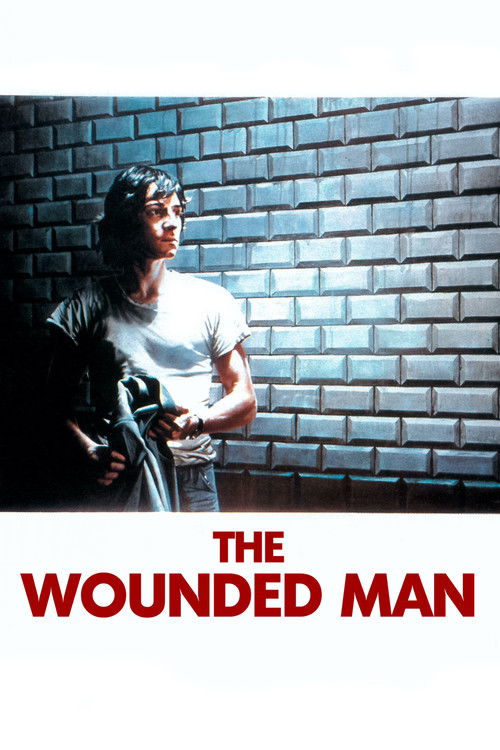
A fleeting encounter in a train station draws a withdrawn young man into a shadowy world of desire and danger. As obsession deepens, innocence destroyed, and an irreversible transformation begins.
1981

1980

1971

1986

2011

1982

2001

1987
No reviews yet. Be the first to share your thoughts on this movie!
Use the rating form above to leave a star rating and optional review.