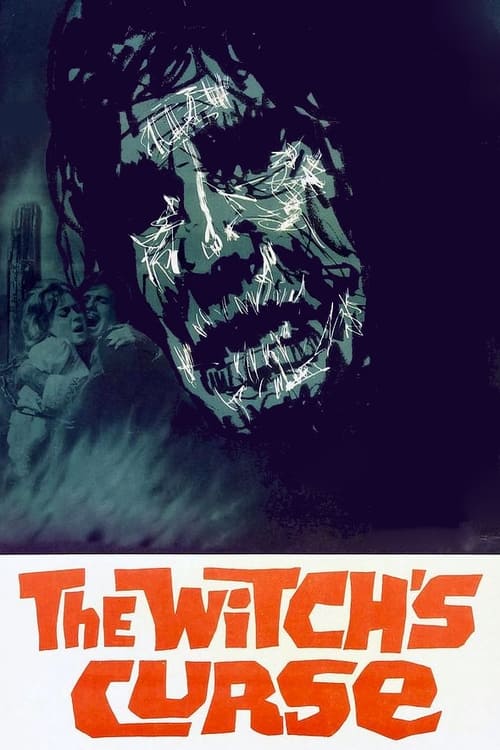
The Witch's Curse
1962
No user ratings available yet
Representation score: 2.9 out of 10
Representation Score
Fair
2018
Director
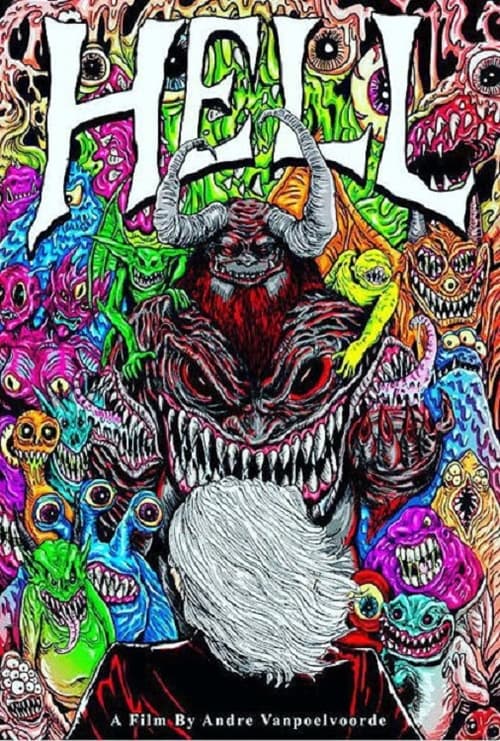
Andre Vanpoelvoorde
Runtime
61 minutes
Average Rating
No ratings yetNew Showbiz Analysis
Hell is a niche, experimental claymation film that prioritizes existential horror and Faustian themes over broad demographic representation. The narrative is driven by a solitary male protagonist's struggle with addiction, which keeps the focus narrow and conventional in terms of gender and identity. While the film lacks diverse representation, it finds strength in its subversion of traditional religious morality. By framing addiction as a catalyst for a supernatural descent, it moves away from standard moralistic storytelling toward a more psychological, secularized exploration of human struggle. Ultimately, the film functions as a specialized genre piece. It offers a dark, stylistic exploration of morality but fails to provide meaningful representation for diverse social identities or varied cultural backgrounds.
Category Breakdown
The film does not include any LGBTQ+ characters or representations of non-straight identities. The story focuses solely on a male protagonist's journey, with no visible queer subtext or characters.
The story revolves around a male protagonist and his interactions with the Devil. It follows a traditional storyline where female characters play minor roles, if any, and do not have significant influence.
The cast list does not indicate a diverse or non-Anglo-Saxon majority. There is no specific evidence of intentional casting to represent different racial backgrounds.
The film challenges traditional religious morals by using a drug addict to trigger supernatural events. This approach engages with subjective morality and deconstructs religious sanctity.
The protagonist's addiction might be linked to mental health issues and dependency. However, it is unclear whether this portrayal addresses broader societal issues or simply mocks the condition.
Present on Screen
Limited or Absent
Official Synopsis
A faustian tale about a drug addict who accidentally opens the gates of hell and ends up summoning the devil.
1962
2019
2013
2024

2022
2018
2018

2010
No reviews yet. Be the first to share your thoughts on this movie!
Use the rating form above to leave a star rating and optional review.