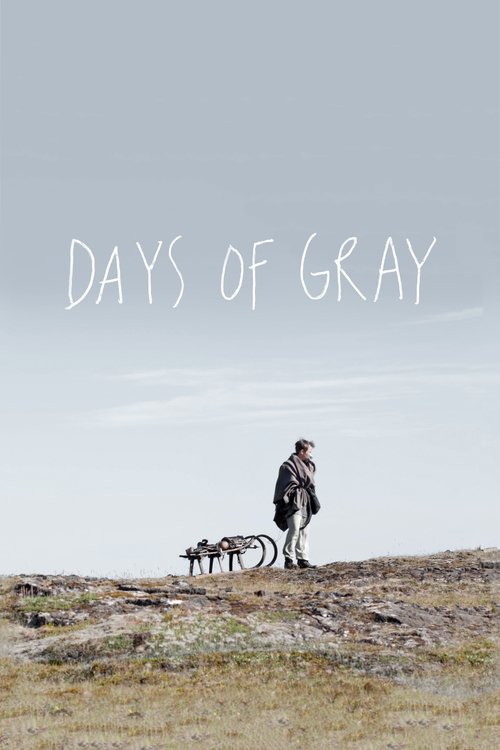
Days of Gray
2013
No user ratings available yet
Representation score: 8.0 out of 10

Representation Score
Good
2004
RDirector
Carlos Atanes
Runtime
82 minutes
Average Rating
No ratings yetNew Showbiz Analysis
Carlos Atanes delivers a sophisticated critique of systemic control through an avant-garde science fiction lens. The film excels at deconstructing institutional authority and challenging traditional power dynamics by centering the narrative on individual choices. The strength of the work lies in its subversion of patriarchal clichés, replacing them with a female-led governing structure. This shift allows for a profound exploration of how personal relationships can dismantle monolithic social doctrines. However, the film appears to prioritize socio-political and ideological struggles over multi-ethnic representation. The focus remains tightly on the European landscape and the internal conflict between the individual and the state.
Category Breakdown
The film explores the disruption of a rigid social order through personal connections. While specific romantic orientations are not explicitly detailed, the narrative suggests a departure from assumptions that everyone is straight or cisgender.
The story subverts traditional hierarchies by placing a Sisterhood in absolute governance over Europe. Angeline’s journey positions women’s ability to drive the story as the primary catalyst for systemic upheaval.
The narrative focuses heavily on ideological and systemic conflict within a centralized European landscape. There is little evidence of explicit racial or ethnic diversity in the provided context.
The film critiques traditional Western institutions by framing a monolithic doctrine as an oppressive force. It prioritizes individual truth and moral relativism over state-mandated morality.
There is no information available regarding the representation of visible or invisible disabilities in this work.
Present on Screen
Limited or Absent
Official Synopsis
In France, a near and probable future. The Sisterhood of Metacontrol governs Europe. Angeline, an exemplary and irreproachable citizen has just joined the order... But her relationship with a special man, Nono, will make her question profoundly the principles of the Doctrine.
2013

1966

2017

2011

2005

2011

2012

2004
No reviews yet. Be the first to share your thoughts on this movie!
Use the rating form above to leave a star rating and optional review.