
Eden Is West
2009
No user ratings available yet
Representation score: 9.3 out of 10
Representation Score
Excellent
2015
Director
Henrik Peschel
Runtime
82 minutes
Average Rating
No ratings yetNew Showbiz Analysis
Si-o-se Pol is a transnational drama that centers the migrant experience within a landscape of economic instability. By focusing on an Iranian protagonist and his diverse companions, the film successfully challenges the homogeneity of European borders and prioritizes displaced perspectives. The film excels in racial and ethnic diversity, using the intersection of different nationalities to critique modern institutional structures. The inclusion of a terminally ill lead adds a layer of human vulnerability that heightens the stakes of the journey. While the film achieves high marks for social realism and cultural critique, it lacks explicit representation regarding LGBTQ+ identities and specific religious nuances. Gender dynamics are present but remain secondary to the broader themes of migration and survival.
Category Breakdown
The film explores companionship among underrepresented migrants, suggesting a departure from traditional social structures. However, there is no explicit depiction of LGBTQ+ identity or non-cisgender romance.
Female characters take a leading role in the story, particularly Nasrin and Almut, who act independently. The plot centers around a woman's journey rather than a male-centric quest.
The narrative prioritizes non-Anglo-Saxon perspectives by featuring an Iranian protagonist and a diverse group of migrants. It uses these backgrounds to challenge Western-centric views of European borders.
The story critiques state power and border capitalism through the lens of the displaced outsider. It favors social realism over traditional Western triumphalism.
The protagonist's terminal illness provides a layer of vulnerability that drives the plot's urgency. His physical decline serves as a central catalyst for the narrative journey.
Present on Screen
Limited or Absent
Official Synopsis
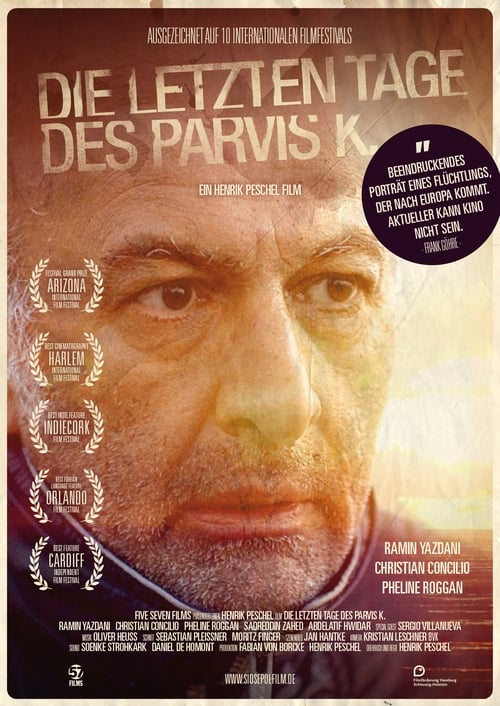
Released from prison and terminally ill, Parvis Karimpour is determined to be reunited with his daughter, Nasrin, who fled Iran for Europe many years before. Crossing the Mediterranean only to be unceremoniously dumped on the Spanish coast, Karimpour makes for Madrid in search of his erstwhile only child. Along the way he meets failed Italian pianist Fabrizio and spoilt German dreamer Almut – fellow migrants struggling to make their way in a Europe beset by economic turmoil. The search for Nasrin lends Karimpour’s new friends a sense of purpose, and the unlikely threesome take up her trail.
2009

2009
2015

2011
2012

2013

2019

2020
No reviews yet. Be the first to share your thoughts on this movie!
Use the rating form above to leave a star rating and optional review.