Harragas
2009
No user ratings available yet
Representation score: 3.3 out of 10
Representation Score
Good
2012
Director
Moussa Touré
Runtime
87 minutes
Average Rating
No ratings yetNew Showbiz Analysis
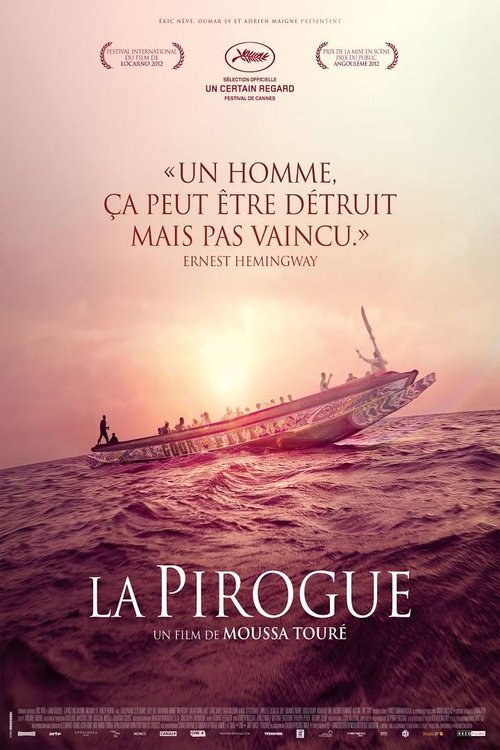
Moussa Touré’s film is a powerful work of social realism that prioritizes authentic West African perspectives. It succeeds by centering the control of Senegalese protagonists and critiquing the systemic economic pressures that drive migration. While the film excels in racial and cultural authenticity, it remains tied to traditional social structures. The narrative focuses heavily on male-driven conflict and lacks explicit representation of LGBTQ+ identities or disability. Ultimately, the film's strength lies in its refusal to adopt a Western-centric viewpoint, offering a nuanced look at the human cost of global economic disparities.
Category Breakdown
The film emphasizes communal survival and strong male bonds under pressure. It doesn't include explicit representations of non-traditional gender identities, but the lack of romantic subplots focused on heterosexual relationships helps keep the focus on the group's shared struggle.
The story centers on male leadership and control, with women primarily shown in domestic roles within their families in Senegal.
The film features a predominantly Black cast and a West African perspective. It avoids the 'white savior' cliché, ensuring the main characters have full control over their journey.
The story provides a sophisticated critique of global capitalism and economic inequality. It examines the tension between traditional Senegalese life and the allure of Europe through a post-colonial lens.
The film highlights the physical exhaustion and hardship caused by the voyage. However, it does not explore neurodivergence or permanent disability as character-driven elements.
Present on Screen
Limited or Absent
Official Synopsis
Baye Laye is the captain of a fishing pirogue. Like many of his Senegalese compatriots, he sometimes dreams of new horizons, where he can earn a better living for his family. When he is offered to lead one of the many pirogues that head towards Europe via the Canary Island, he reluctantly accepts the job, knowing full-well the dangers that lie ahead. Leading a group of 30 men who don't all speak the same language, some of whom have never seen the sea, Baye Laye will confront many perils in order to reach the distant coasts of Europe.
2009
2009
2014
2011
2015
2009
2018

2014
No reviews yet. Be the first to share your thoughts on this movie!
Use the rating form above to leave a star rating and optional review.