Gettysburg: The Boys in Blue & Gray
2002
No user ratings available yet
Representation score: 0.6 out of 10
Representation Score
Fair
2012
TV-14Director
Ric Burns
Runtime
117 minutes
Average Rating
No ratings yetNew Showbiz Analysis
The documentary presents a stark inventory of Civil War mortality. On-screen evidence shows women managing hospital care and family grief, while men occupy combat and surgical roles. Black soldiers are acknowledged through historical records of segregation and neglect, though they remain archival subjects rather than active narrative participants. Religious figures are present but lack significant narrative agency. The film treats religious and traditional frameworks as insufficient for the scale of industrialized warfare. Disability is portrayed as a lasting consequence of combat injuries, with graphic depictions of amputation and decomposition illustrating medical challenges. The narrative prioritizes historical accuracy and institutional analysis. It charts the far-reaching social and political changes brought about by the pervasive presence and fear of death during the Civil War.
Category Breakdown
No LGBTQ+ characters or relationships appear. The narrative centers on 19th-century military and medical history without discussing same-sex bonds or identities.
Women appear as nurses and grieving family members, serving as the moral center of care. Men dominate battlefield and medical roles, often shown overwhelmed by the scale of death.
The cast is predominantly white, reflecting the 1860s setting. Black soldiers are discussed regarding segregated hospitals and denied burials, but they do not appear as active on-screen subjects beyond archival photos.
The film questions the adequacy of traditional religious comfort in the face of mass death. It highlights the failure of pre-war institutions to handle casualties, framing bureaucratic and medical modernization as a necessary response.
Disability is central to the plot, focusing on amputations, gangrene, and long-term veteran suffering. These conditions are treated as ongoing life realities rather than temporary plot devices, detailing the physical and psychological aftermath of war.
Present on Screen
Limited or Absent
Official Synopsis
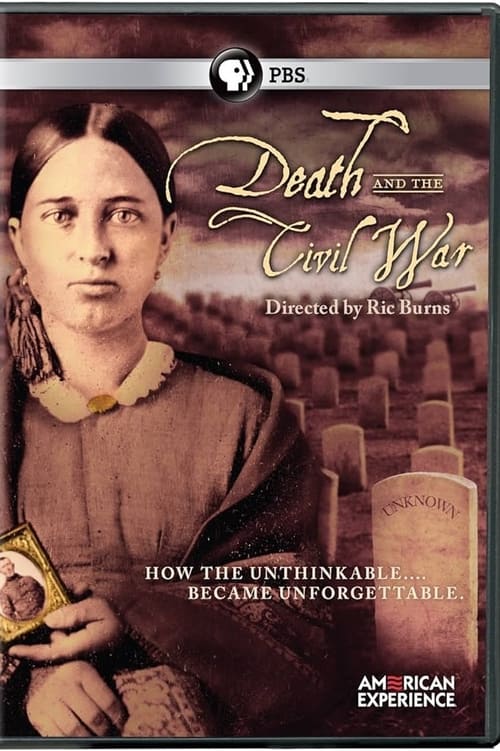
Based on the best-selling book by Drew Gilpin Faust, this film will explore how the American Civil War created a "republic of suffering" and will chart the far-reaching social, political, and social changes brought about by the pervasive presence and fear of death during the Civil War.
2002
2012
1986
2023
1956

2015

2013
2014
No reviews yet. Be the first to share your thoughts on this movie!
Use the rating form above to leave a star rating and optional review.