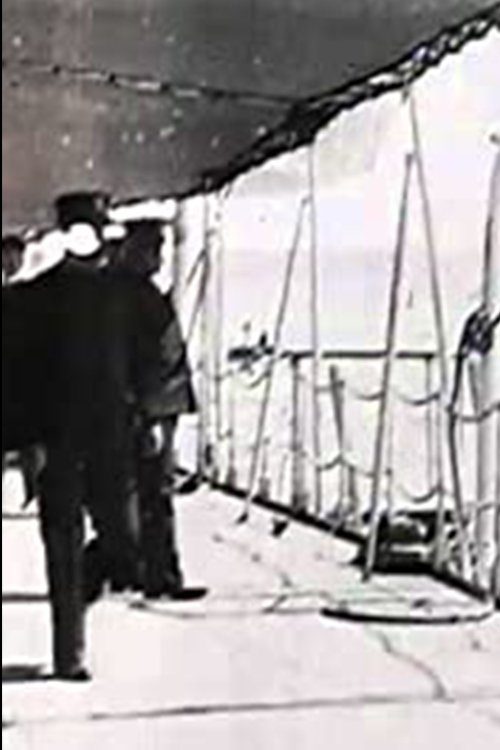
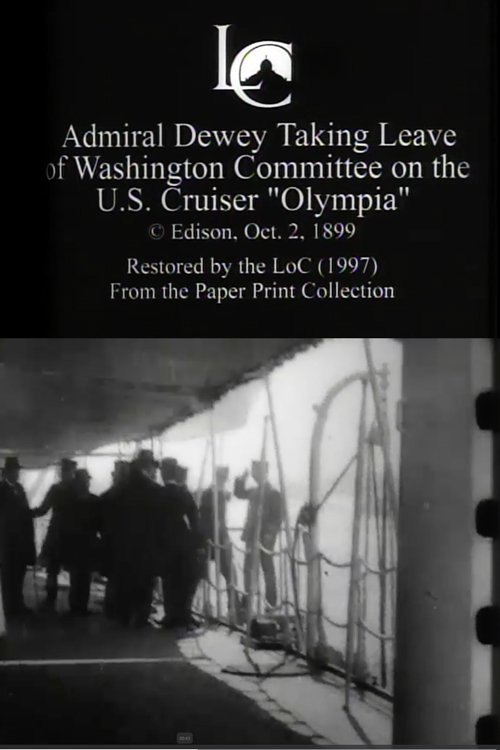
Admiral Dewey Receiving the Washington and New York Committees
1899
No user ratings available yet
Representation score: 0.3 out of 10
Representation Score
Minimal
1898
Director
James H. White
Runtime
1 minutes
Average Rating
No ratings yetNew Showbiz Analysis
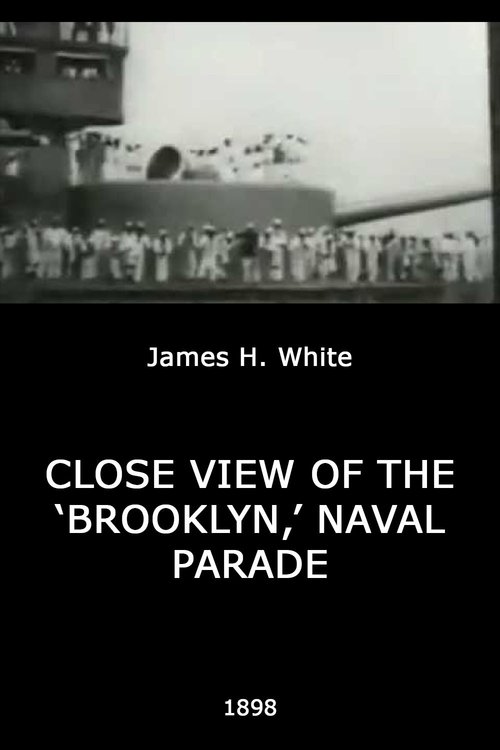
This documentary serves as a historical record of a 1898 naval procession rather than a narrative film. Since it lacks scripted characters or intentional casting, it does not engage with modern concepts of identity or intersectionality. The content reinforces traditional hierarchies and Western values of the late-Victorian era, focusing strictly on military ceremony and state power. Ultimately, the film functions as an archival artifact reflecting the social norms of its time without attempting to subvert them.
Category Breakdown
There is no character interaction or dialogue related to LGBTQ+ themes. The film does not include any representation of gender identity or sexual orientation.
The visuals focus on naval vessels and military structures, reflecting a traditionally masculine environment. There is no subversion of gender roles in the film.
The footage depicts the homogeneous social structures of the late 19th-century American military. There is no indication of a diverse or integrated crowd.
The film highlights Western institutions and national pride, focusing on military ceremony and the veneration of national heroes like Ulysses S. Grant.
The footage emphasizes large-scale movements of ships and crowds. There is no representation of individuals with visible or invisible disabilities.
Present on Screen
Limited or Absent
Official Synopsis
On Saturday morning, August 20, 1898, six grim battleships of Admiral Sampson's Squadron sailed into New York Harbor and up the Hudson to receive a welcome from the people and to fire a salute of victory in sight of the tomb of the great soldier-hero of another war [Ulysses Grant].
1899
1899
1899
1899
1899
1899
1898
1899
No reviews yet. Be the first to share your thoughts on this movie!
Use the rating form above to leave a star rating and optional review.