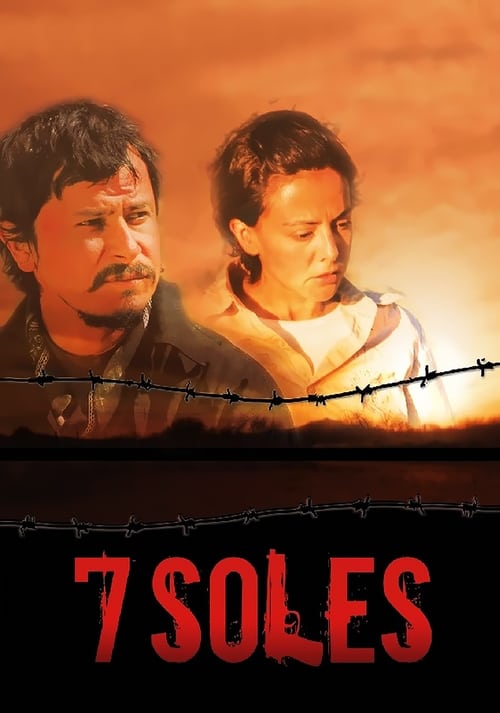
7 Suns
2009
No user ratings available yet
Representation score: 5.0 out of 10
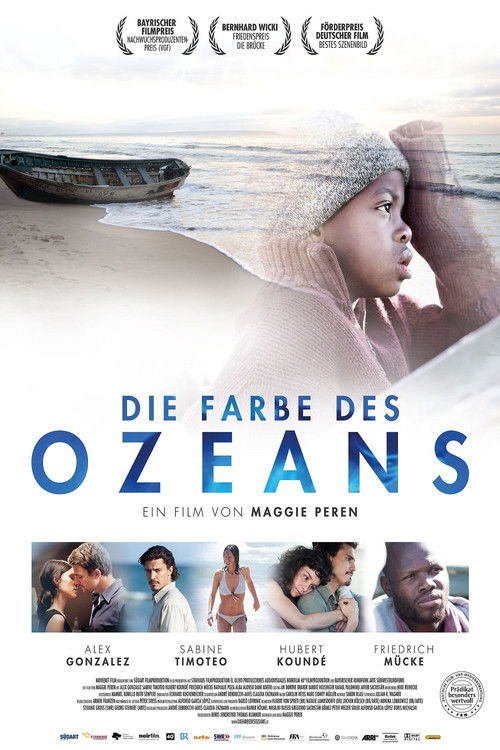
Representation Score
Good
2012
Director
Maggie Peren
Runtime
95 minutes
Average Rating
No ratings yetNew Showbiz Analysis
Color of the Ocean succeeds by centering the experiences of underrepresented individuals within a restrictive systemic framework. The film effectively shifts the emotional core away from Western observers to focus on the survival of Congolese characters. While the film excels in racial and cultural critique, it remains limited in its exploration of other identities. The narrative focuses heavily on the tension between state institutions and human movement. Ultimately, the film disrupts traditional Western-centric storytelling by prioritizing the perspectives of those navigating precarious systemic landscapes.
Category Breakdown
The film does not include explicit representations of LGBTQ+ identities or relationships that go beyond the assumption that everyone is straight or cisgender.
Nathalie plays a significant role in driving the plot through her humanitarian efforts, challenging the traditional idea that women are passive followers. She is shown as a leader compared to her more reactive husband, Paul.
The story focuses on the experiences of Zola, a Congolese man, and his son Mamadou, shifting the perspective to prioritize the underrepresented migrant experience over the dominant Western viewpoint.
The narrative criticizes Western institutions and state-run border systems, emphasizing human empathy and the struggles of the displaced over nationalistic or legalistic norms.
There is no evidence regarding the portrayal of physical or neurodivergent disabilities within the film's narrative.
Present on Screen
Limited or Absent
Official Synopsis
After years working as a border patrolman, José has developed a salty crust of cynicism about his work, which places him in a position to decide the fates of many. José's weary attitude is put to the test when he encounters Nathalie, a German tourist assisting a boatload of refugees she discovered landing on the Canary shores. One of those people, a Congolese man named Zola, is placed in an internment camp. Much to the objections of her husband Paul, Nathalie tries to help him escape. Yet Zola and his son Mamadou eventually find themselves in yet another precarious situation, in which they are dependent on nefarious smugglers.
2009
2011
2009
2020
2015

2020
2012

2013
No reviews yet. Be the first to share your thoughts on this movie!
Use the rating form above to leave a star rating and optional review.