Typhoon
2005
No user ratings available yet
Representation score: 1.2 out of 10
Representation Score
Limited
1997
RDirector
Stephen Milburn Anderson, Hubert de La Bouillerie
Runtime
105 minutes
Average Rating
No ratings yetNew Showbiz Analysis
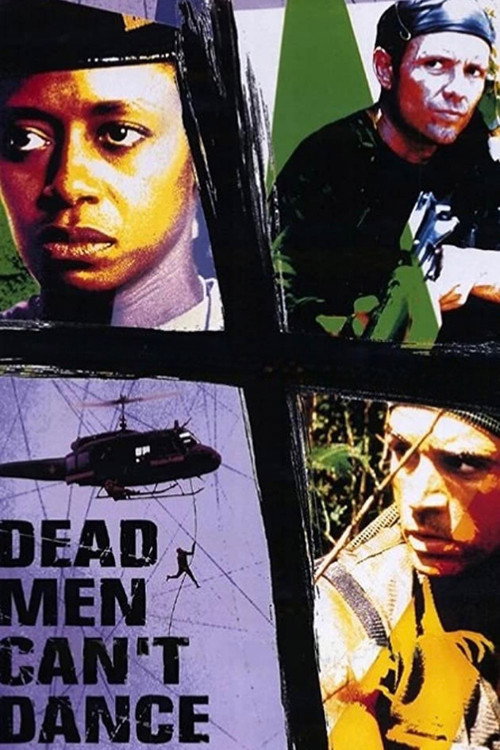
Dead Men Can't Dance operates as a typical 1990s action-thriller. Its narrative structure centers on a specialized military unit executing a high-stakes geopolitical mission, prioritizing institutional goals over social critique. The film adheres to established genre conventions of its time, focusing on survival and combat within a specific political conflict. It does not delve into multi-layered identities or challenge traditional power structures. Ultimately, the work reinforces standard Western military narratives. It lacks the detailed character development and diverse representation needed to go beyond basic genre expectations.
Category Breakdown
The film does not feature any openly LGBTQ+ characters. The plot focuses solely on a military mission without addressing issues related to sexual orientation or gender identity.
The story revolves around a special operations team, emphasizing traditional masculine leadership. There are no women in prominent roles within the team.
Despite the North Korean setting, there are no characters of color who play significant roles in the story.
The narrative follows a traditional Western perspective, focusing on state-sanctioned military actions and global stability. It does not explore cultural or religious diversity.
The film does not mention any characters with physical, sensory, or neurodivergent disabilities.
Present on Screen
Limited or Absent
Official Synopsis
To stamp out the threat of nuclear war, a special ops team must travel to North Korea to carry out a covert mission to destroy a nuclear power plant. Everything does not go as planned. Their communications are cut off and they must remember their survival training to get them through.
2005
2017

1999
1999
1999
1987

1992

1997
No reviews yet. Be the first to share your thoughts on this movie!
Use the rating form above to leave a star rating and optional review.