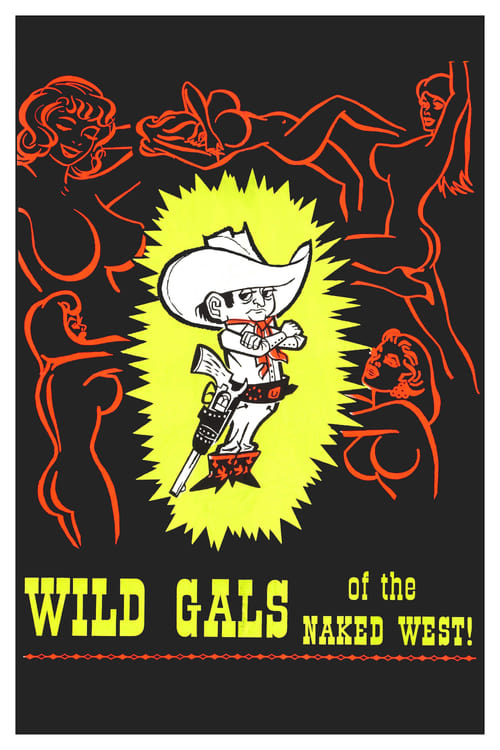
Wild Gals of the Naked West
1962
No user ratings available yet
Representation score: 3.4 out of 10

Representation Score
Fair
1974
Director
Marco Ferreri
Runtime
108 minutes
Average Rating
No ratings yetNew Showbiz Analysis
Marco Ferreri’s surrealist farce effectively dismantles traditional social and historical hierarchies through its use of absurdity. It successfully deconstructs the myth of the American West and challenges patriarchal dominance through its stylized, anachronistic setting. However, the film lacks explicit demographic diversity. Its exploration of LGBTQ+ themes focuses on disrupting traditional norms rather than affirming specific identities, and the cast remains predominantly European-centric. Ultimately, the work prioritizes intellectual subversion over the inclusion of diverse racial or identity-based perspectives.
Category Breakdown
The film explores the fluidity of desire and the breakdown of social norms, but it does not provide specific portrayals of non-traditional gender identities or explicit LGBTQ+ character arcs.
The movie challenges traditional gender hierarchies by breaking down the stable leader archetype and questioning masculine authority.
The film uses anachronism to critique historical myths, but the casting tends to focus on European actors, limiting the diversity of the cast.
The film critiques Western historical heroism by transplanting Western myths into a modern Paris setting, portraying traditional institutions as chaotic and nonsensical.
There is no discernible evidence regarding the portrayal of physical or neurodivergent disabilities within the film.
Present on Screen
Limited or Absent
Official Synopsis
A highly stylized surreal farce about the events leading up to Custer's Last Stand anachronistically reenacted in an urban renewal area in modern Paris.
1962
1972
1964

1973
1988
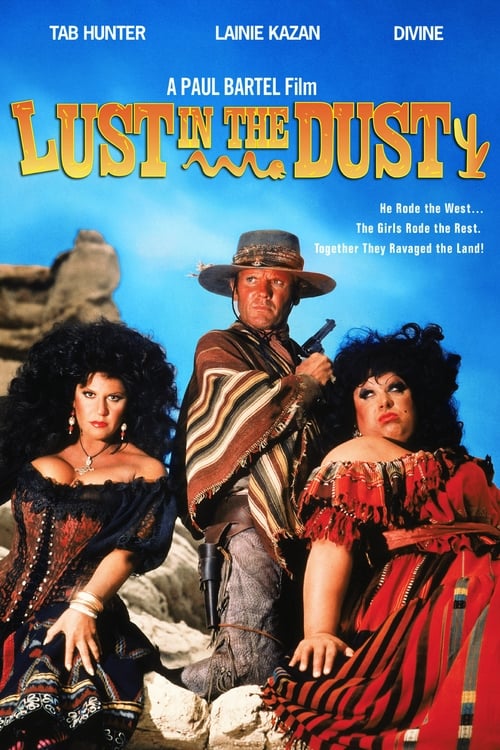
1985

1969
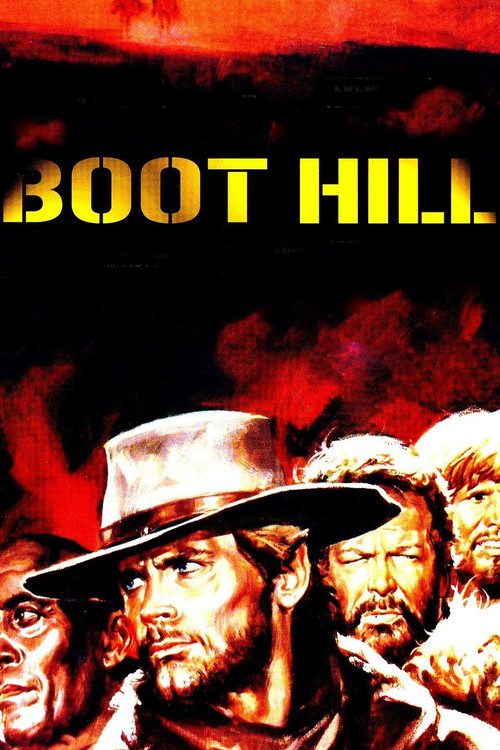
1969
No reviews yet. Be the first to share your thoughts on this movie!
Use the rating form above to leave a star rating and optional review.