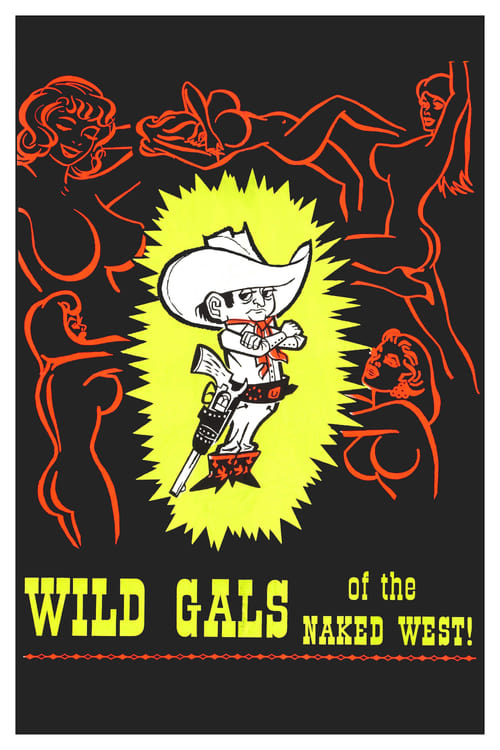
Wild Gals of the Naked West
1962
No user ratings available yet
Representation score: 3.4 out of 10

Representation Score
Limited
1969
GDirector
Chuck Menville, Len Janson
Runtime
11 minutes
Average Rating
No ratings yetNew Showbiz Analysis
Blaze Glory uses stop-motion animation to satirize the Western genre. While its parody format suggests an intent to disrupt rigid genre archetypes, the film lacks documented evidence of intentional demographic representation. The production focuses more on genre deconstruction than on social commentary or diverse character representation. Consequently, the film fails to provide a broad range of identities or meaningful representation across most categories. Ultimately, the film's impact is limited to its satirical approach to Western clichés rather than a progressive expansion of the genre's social landscape.
Category Breakdown
The film does not include any clear representations of LGBTQ+ identities or non-binary gender roles. While parody can challenge traditional masculinity, there are no explicit LGBTQ+ characters.
The stop-motion format may mock traditional masculine leadership and the stoic cowboy archetype. However, specific character data is not available to confirm meaningful subversion of these stereotypes.
The work does not show any evidence of racially diverse casting or high-profile roles for characters of color. It seems to lack the diversity often missing from traditional Western narratives.
By mocking Western myths, the film implicitly critiques the romanticization of frontier morality. However, it does not explicitly promote specific secularist or anti-capitalist viewpoints.
There is no information available regarding the depiction of physical disabilities or neurodivergence in this production.
Present on Screen
Limited or Absent
Official Synopsis
A stop-motion parody of the Western genre.
1962

1973
1977
1970
1962

1970
1964
1971
No reviews yet. Be the first to share your thoughts on this movie!
Use the rating form above to leave a star rating and optional review.