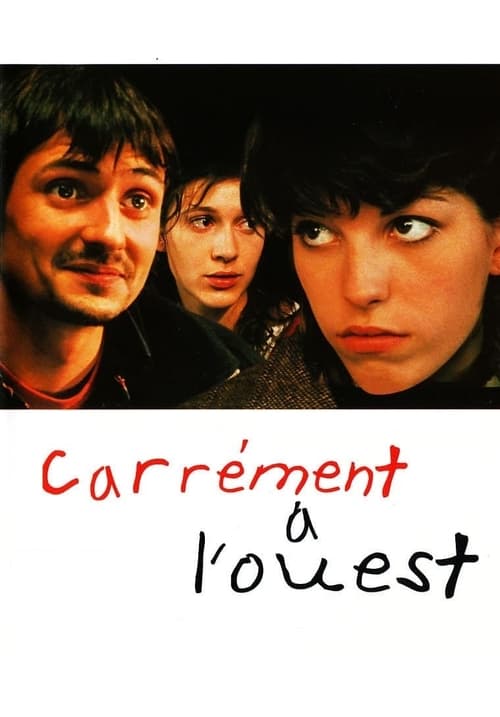
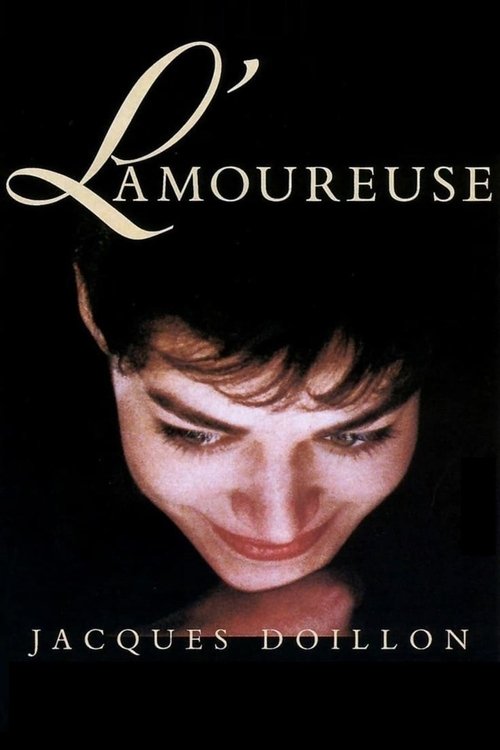
Carrément à l'ouest
2001
No user ratings available yet
Representation score: 4.5 out of 10
Representation Score
Fair
1998
Director
Jacques Doillon
Runtime
119 minutes
Average Rating
No ratings yetNew Showbiz Analysis
Jacques Doillon’s film functions primarily as an intense psychological character study. It deconstructs interpersonal power dynamics and challenges conventional social decorum through raw human interaction. While the film lacks broad demographic variety, it achieves a progressive edge by subverting traditional gendered hierarchies. The protagonist's ability to disrupt a stable domestic order provides a layer of social critique. Ultimately, the work prioritizes individual ability to act and situational ethics over established institutional norms, making it a study of impulse rather than a diverse ensemble piece.
Category Breakdown
The film explores complex relational tensions and non-traditional dynamics within a domestic setting. However, it lacks explicit evidence of LGBTQ+ narratives or non-cisgender identities.
Emma, a teenage girl, drives the narrative by destabilizing a male-dominated household. Her active manipulation and flirtation subverts traditional roles of female passivity.
The production appears centered on a localized European demographic. There is no evidence of multi-ethnic casting or significant racial blending within the ensemble.
The story critiques the sanctity of the Western family unit by prioritizing individual desire over social responsibility. It frames the domestic sphere as a site of dysfunction.
There is no discernible mention of characters with physical or neurodivergent disabilities in the narrative.
Present on Screen
Limited or Absent
Official Synopsis
Seventeen-year-old Emma is invited to filmmaker Paul’s house after sending him the outline of a film. Ostensibly there to work on the outline with him she spends her time flirting with Paul, his wife, and his daughter.
2001

1990
1985
1970

2009
1998
1987

2015
No reviews yet. Be the first to share your thoughts on this movie!
Use the rating form above to leave a star rating and optional review.