Antonio Vivaldi - A Prince in Venice
2007
No user ratings available yet
Representation score: 3.0 out of 10
Representation Score
Limited
2010
Not RatedDirector
René Féret
Runtime
120 minutes
Average Rating
No ratings yetNew Showbiz Analysis
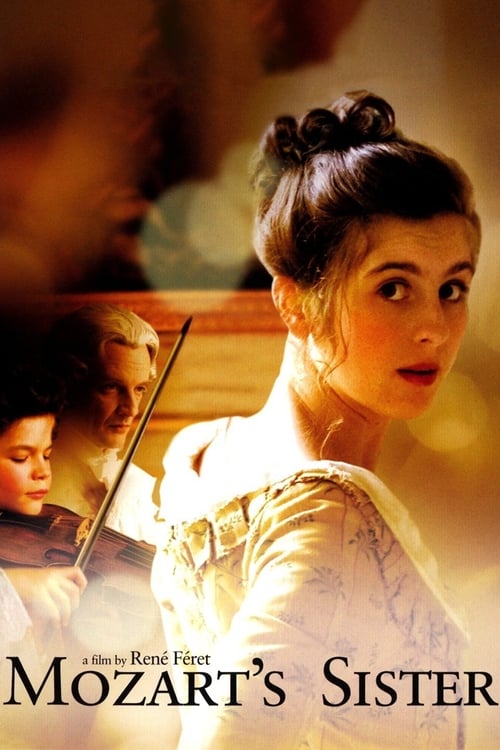
Mozart's Sister acts as a corrective historical narrative. It shifts the focus from the traditional genius archetype of Wolfgang Amadeus Mozart to the systemic barriers facing his sister, Nannerl. By centering her suppressed role in driving the story, the film provides a sophisticated critique of gendered professional disparities. While the film excels in its gendered analysis, it is limited by its strict adherence to 18th-century European settings. This results in low scores for racial and LGBTQ+ representation, as the story remains rooted in the documented social constraints of the period. Ultimately, the film uses a historical framework to challenge the foundational structures of Western social hierarchies. It transforms a standard biography into a study of how institutional expectations stifle female intellectual development.
Category Breakdown
The film stays within the social and domestic structures of 18th-century Austria and does not include narratives about non-straight identities or critiques of the assumption that everyone is straight.
The story challenges traditional hierarchies by highlighting Nannerl's suppressed musical talent. It effectively challenges the cliché of the supportive sister, framing her ambitions as a direct conflict with patriarchal expectations.
Casting reflects the historical homogeneity of the 18th-century Austrian musical elite. The film prioritizes historical accuracy within a localized European context over modern racial blending.
The narrative critiques the rigid social hierarchies and patriarchal family units of the era. It portrays institutional constraints as significant obstacles to individual control and self-realization.
There are no prominent depictions of physical or neurodivergent disabilities. No such traits serve as central character arcs within the narrative.
Present on Screen
Limited or Absent
Official Synopsis
A re-imagined account of the early life of Maria Anna 'Nannerl' Mozart, five years older than Wolfgang and a musical prodigy in her own right.
2007
1998
2009
2006
2010

2010
2013
2023
No reviews yet. Be the first to share your thoughts on this movie!
Use the rating form above to leave a star rating and optional review.