Waiting for August
2014
No user ratings available yet
Representation score: 8.7 out of 10
Representation Score
Excellent
2017
Director
Adrián Orr
Runtime
72 minutes
Average Rating
No ratings yetNew Showbiz Analysis
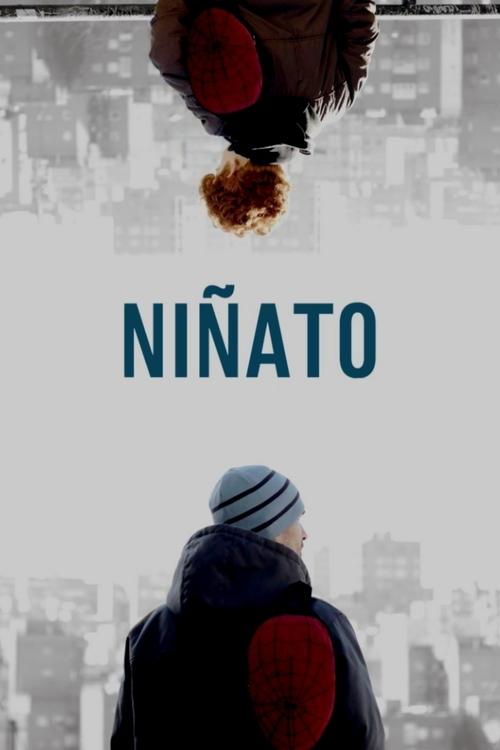
Niñato offers a raw, observational look at life on the margins of Madrid during a period of economic crisis. It avoids traditional redemptive arcs, choosing instead to validate the lived experience of those living outside the meritocratic ladder. The documentary succeeds by deconstructing the myth of upward mobility. By centering on a protagonist who is functionally unproductive by capitalist standards, the film forces a reassessment of identity and ability to act. While the film excels at cultural critique, it remains limited by its narrow focus on a single familial unit. It lacks explicit representation regarding sexual orientation or specific clinical disability details.
Category Breakdown
The film does not include any explicit LGBTQ+ characters or themes. The score reflects a neutral baseline for a documentary centered on a specific familial unit.
Niñato subverts the traditional patriarch archetype. He is portrayed as a man struggling with domestic responsibility and economic difficulties rather than a figure of authority.
The setting in Madrid's outskirts suggests a focus on the underrepresented urban periphery. This environment often explores multiculturalism and the blending of identities within working-class spaces.
The film challenges Western institutional success by prioritizing survival and hip-hop culture over capitalist advancement. It frames systemic struggle as a byproduct of the environment.
While no clinical disabilities are mentioned, the film explores psychological dimensions through the youngest child's lack of motivation. This suggests a look at behavioral challenges within a systemic context.
Present on Screen
Limited or Absent
Official Synopsis
Jobless and with no prospects, Niñato (Brat) lives with his parents and does hip-hop music. He lives the life of the outskirts, it's the Madrid of the chronic crisis. But he is 34 years old and has three children to bring up. Time goes by, the kids are growing up and Niñato carries on, making music and looking after the children, without worrying too much about his future. Oro, the smallest one, not too motivated at school, will demand more attention and drive Niñato to face his own conflicts.
2014
2017

2016
1999
2012
2023
2013
2004
No reviews yet. Be the first to share your thoughts on this movie!
Use the rating form above to leave a star rating and optional review.