Tall as the Baobab Tree
2012
No user ratings available yet
Diversity score: 6.3 out of 10
2013
Director
Michel Poulette
Runtime
103 minutes
Average Rating
No ratings yetSynopsis
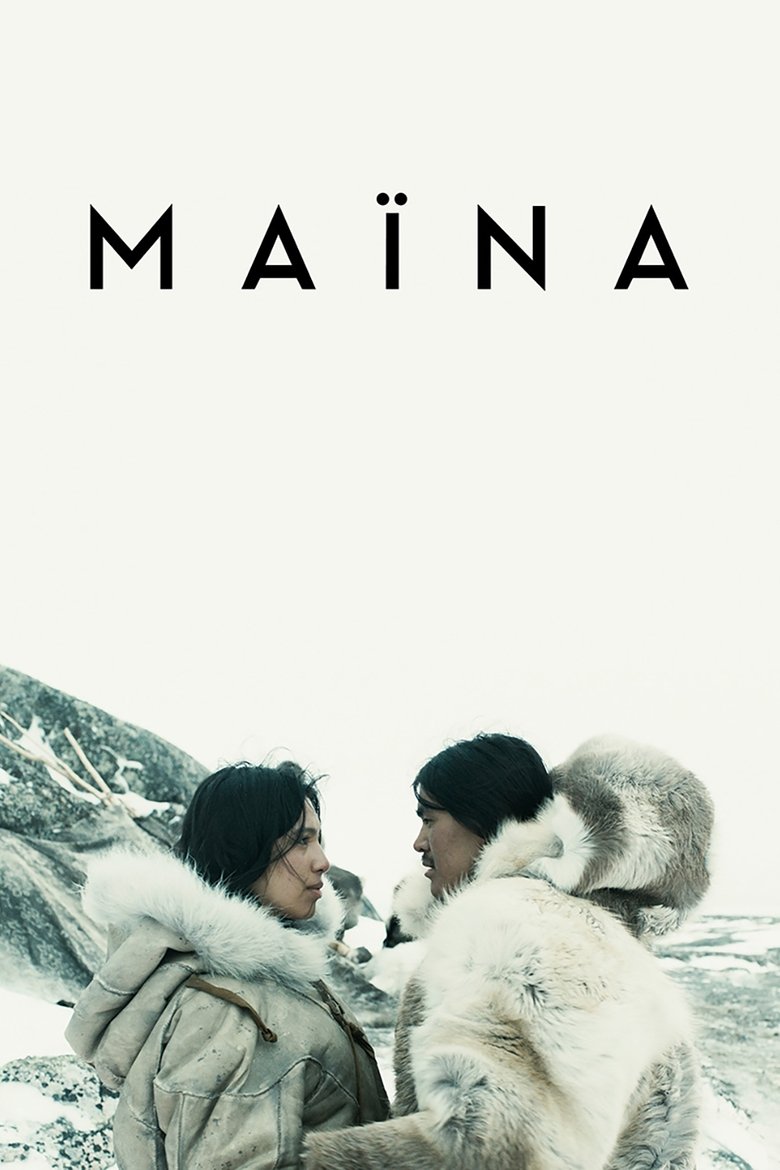
Maïna is the daughter of the Innu leader Mishtenapuu, who attends a bloody confrontation between his clan and the clan of "Men of the Land of Ice." Following this confrontation, Maïna chooses a mission that will change her life. To fulfill the promise that she has made to her friend Matsii on her deathbed, she embarked on the trail of their enemies to deliver Nipki, a 11 year old boy that the Inuit have captured. But she was also taken as prisoner by Natak, the leader of the Inuit group, and forcibly taken to the Land of Ice.
Overall Score
Good
Category Breakdown
LGBTQ+ Representation
The film lacks prominent LGBTQ+ characters or narratives. The romantic elements focus exclusively on heteronormative intersections between Indigenous and settler cultures.
Gender Representation
Maïna serves as a character with significant agency. She drives the plot through a self-determined mission, challenging traditional gendered expectations of leadership and protection.
Racial & Ethnic Diversity
The film excels by centering Inuit and Innu perspectives. It avoids white savior tropes by positioning an Indigenous woman as the primary actor and protector.
Religious & Cultural Diversity
The narrative offers a sophisticated critique of Western encroachment on Indigenous sovereignty. It prioritizes ancestral connections and traditional social structures over modern capitalist hegemony.
Disability Representation
There are no prominent depictions of visible or invisible disabilities that drive the narrative or serve as central character traits.
Strengths
Areas for Improvement
AI Analysis
Maïna is a powerful exploration of Indigenous agency and post-colonial tension. By centering an Innu woman's journey, the film disrupts standard adventure tropes and avoids the white savior archetype. The narrative effectively uses cross-cultural intimacy to examine the complexities of integration. While the film succeeds in its cultural and racial depth, it lacks representation for LGBTQ+ identities and disability. These omissions prevent a higher aggregate score despite the strong thematic focus on sovereignty and identity. Ultimately, the film's strength lies in its nuanced handling of racial intersectionality and its critique of Western cultural dominance.
2012
2013
2015

1955
1999
1990
2014
2011

1981
2013

2017

2016
No reviews yet. Be the first to share your thoughts on this movie!
Use the rating form above to leave a star rating and optional review.