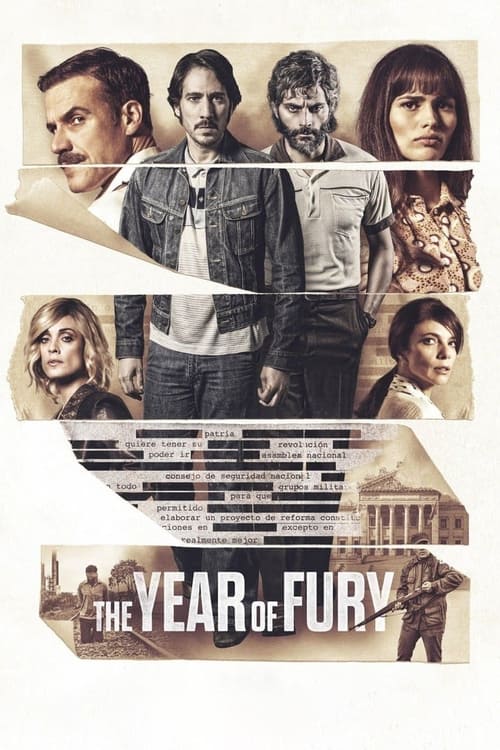
The Year of Fury
2021
No user ratings available yet
Representation score: 5.6 out of 10

Representation Score
Fair
2018
Director
Ismet Sijarina
Runtime
93 minutes
Average Rating
No ratings yetNew Showbiz Analysis
Cold November is a historical drama that excels in highlighting the specific ethnic and cultural struggles of the Kosovar people. By focusing on the dissolution of autonomy and the erasure of local institutions, the film challenges dominant geopolitical hierarchies and offers a nuanced look at systemic oppression. However, the film seems to rely on traditional narrative structures. The emphasis on a male provider role suggests a conventional approach to gender roles, and the lack of diverse identity-based character arcs limits its depth in addressing multiple aspects of identity. Ultimately, the film succeeds as a study of how individuals navigate institutional collapse, even though it does not include representation in other modern identity frameworks.
Category Breakdown
The film focuses on the Kosovo autonomy crisis without including any explicit LGBTQ+ characters or stories that challenge traditional heterosexual relationships.
The story centers around Fadili, a male character who navigates the challenges of providing for his family in a patriarchal system. This reflects traditional masculine roles and dramatic structures.
The film highlights the Kosovar experience, providing strong ethnic representation. It challenges Western-centric views by emphasizing the ability to act of a non-Anglo-Saxon population during a political crisis.
The story critiques state power and institutional corruption, portraying the Yugoslavian government as an oppressive force that undermines local autonomy and cultural identity.
There is no mention of characters with visible or invisible disabilities in the narrative.
Present on Screen
Limited or Absent
Official Synopsis
In the early '90s, the Yugoslavian Government cancelled the autonomy of Kosovo, dissolved its Parliament and closed down the National Television. All institutional life was reorganized by the new authorities, while the majority of the citizens responded with peaceful demonstrations. During this terrible time, Fadili, who works as an archivist, has to choose between two options, knowing that both of them are wrong. He therefore involuntarily and unwillingly "swallows" the shame, endures the pressure bearing down from all sides and puts up with the bad reputation for only one reason: to provide for his family.
2021
1985

2018
1990

2015
2014
2016
2016
No reviews yet. Be the first to share your thoughts on this movie!
Use the rating form above to leave a star rating and optional review.