The Rocks of Valpre
1935
No user ratings available yet
Representation score: 0.8 out of 10
Representation Score
Limited
1936
ApprovedDirector
Sam Wood
Runtime
87 minutes
Average Rating
No ratings yetNew Showbiz Analysis
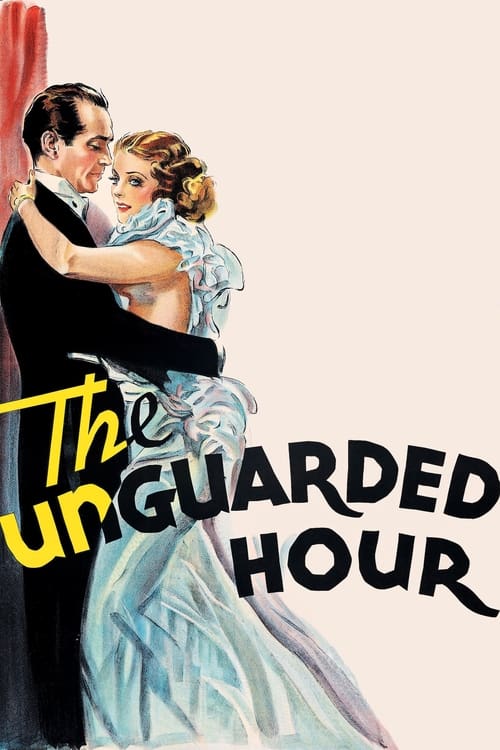
The Unguarded Hour is a typical 1930s crime melodrama that emphasizes conventional storytelling over social critique. It reflects the established moral frameworks and familiar formulas of the Hollywood system of its time. The film does not intentionally aim for diverse representation or disruption of social hierarchies. Instead, its narrative focuses on individual morality and legal consequences rather than broader societal critiques. Overall, the work mirrors the homogeneous and restrictive social standards of 1936, providing few diverse perspectives or identity-focused narratives.
Category Breakdown
The film follows the strict censorship rules of the Hays Code era, so there are no visible LGBTQ+ characters or narratives that question the assumption that everyone is straight.
A female character leads the plot by holding key evidence. However, the story stays within traditional gender roles in a male-dominated legal environment.
The production reflects the homogeneous casting practices typical of 1936. There is no indication of a diverse cast or actors from different backgrounds being cast in roles traditionally associated with specific races.
The narrative centers on Western ideas of morality and the rule of law. It works within existing institutions without challenging them.
There are no characters with visible or invisible disabilities. Portrayals of such conditions were rarely given significant roles during this time.
Present on Screen
Limited or Absent
Official Synopsis
A blackmailer tries to stop a woman from revealing evidence that could save a condemned man.
1935
1940
1936

1939

1939
1938
1933
1933
No reviews yet. Be the first to share your thoughts on this movie!
Use the rating form above to leave a star rating and optional review.