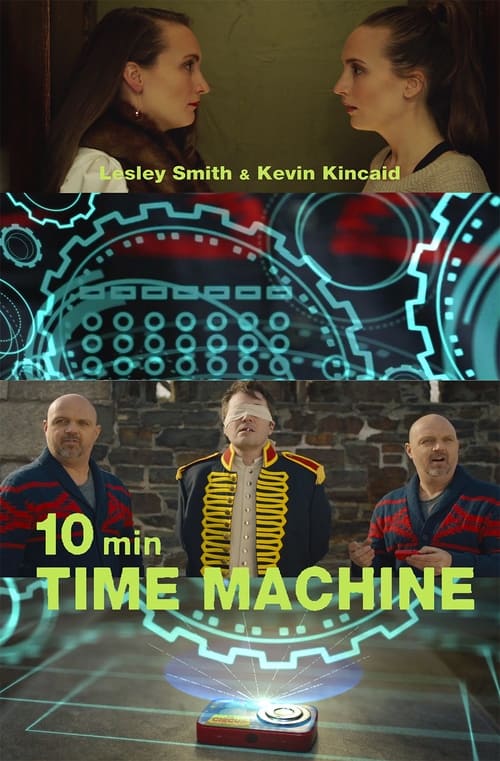
10 Minute Time Machine
2017
No user ratings available yet
Representation score: 1.9 out of 10

Representation Score
Limited
1989
RDirector
Rob Stewart
Runtime
84 minutes
Average Rating
No ratings yetNew Showbiz Analysis
Future Past is a conventional science fiction comedy that emphasizes genre clichés over social commentary. Its narrative structure depends on the chaos of time travel rather than deconstructing identity politics. The film adheres to the storytelling norms of 1989, focusing on comedic conflicts between different eras without challenging systemic power structures.
Category Breakdown
The film doesn't include explicit LGBTQ+ characters or stories. It focuses on a time travel premise rather than exploring queer identities or questioning the assumption that everyone is straight.
The story revolves around a technical specialist and a masculine highroller, which align with traditional gender roles common in late-80s science fiction comedies.
Despite featuring a multi-national computer, the film does not have a predominantly non-white cast. It follows typical genre conventions of its time.
The plot uses a fish-out-of-water scenario to highlight cultural differences but does not specifically address secular themes or challenge Western institutions.
There are no characters with visible or invisible disabilities mentioned in the film. Therefore, there is no information to assess representation in this area.
Present on Screen
Limited or Absent
Official Synopsis
While attempting a hologram experiment on a multi-national computer, a computer whiz inadvertantly creates Billy, a tough-talking highroller from the future. Billy creates havoc and the only solution is to blast him back to the future...
2017
1973
1989
1979

1994

2011

2014

1992
No reviews yet. Be the first to share your thoughts on this movie!
Use the rating form above to leave a star rating and optional review.