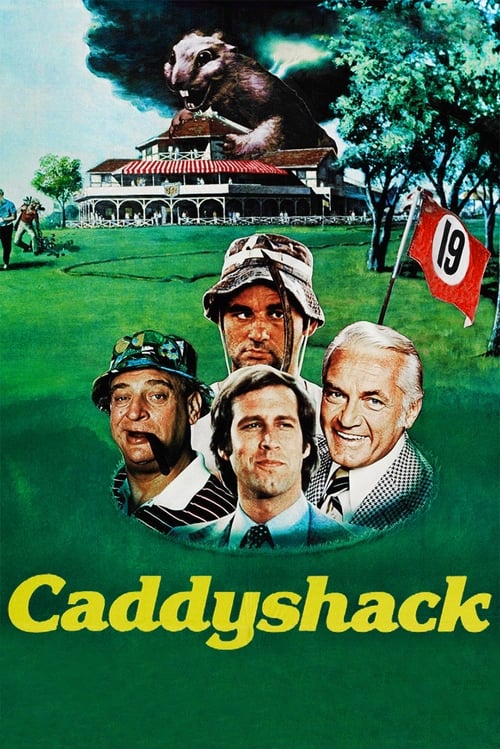
Caddyshack
1980
No user ratings available yet
Representation score: 3.0 out of 10
Representation Score
Limited
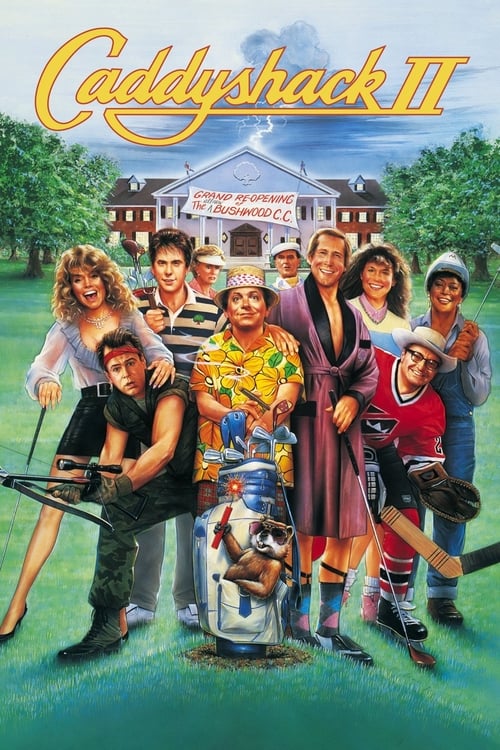
1988
PGDirector
Allan Arkush
Runtime
98 minutes
Average Rating
No ratings yetNew Showbiz Analysis
Caddyshack II operates as a traditional comedy that upholds existing social and demographic hierarchies. The film leans on established 1980s clichés, emphasizing slapstick and gendered humor over diverse representation. The narrative centers on male-driven competition and property disputes within an affluent, homogeneous environment. This focus confines the story to a narrow, Anglo-centric social circle. While the film provides a minor critique of commercialism and corporate expansion, it lacks the intention to challenge systemic power dynamics or offer meaningful representation for underrepresented groups.
Category Breakdown
The film does not include any visible LGBTQ+ characters or non-cisgender identities. It follows the assumption that everyone is straight or cisgender, which is typical of 1980s mainstream comedies.
The story focuses heavily on male characters and their slapstick humor. Women play minor roles and have little influence over the main storyline.
The cast is mostly white and wealthy, reflecting the upper-class setting of the country club. There are no characters of color who play significant roles in the story.
The film offers a mild criticism of corporate greed through a 'good vs. greedy' theme. However, it remains a localized comedic conflict rather than a broader critique.
There are no significant depictions of visible or invisible disabilities. Characters are used primarily for slapstick humor, with no nuanced portrayal of neurodivergent or physically disabled individuals.
Present on Screen
Limited or Absent
Official Synopsis
When a crass new-money tycoon's membership application is turned down at a snooty country club, he retaliates by buying the club and turning it into a tacky amusement park.
1980
1980

2004
1986
1996

1994
1986
1976
No reviews yet. Be the first to share your thoughts on this movie!
Use the rating form above to leave a star rating and optional review.