
Ali and the Camel
1960
No user ratings available yet
Representation score: 1.9 out of 10

Representation Score
Minimal
2001
Director
Thomas Borch Nielsen
Runtime
79 minutes
Average Rating
No ratings yetNew Showbiz Analysis
Jewel of the Desert is a conventional family adventure that emphasizes physical comedy and a plot driven by a central object. The narrative relies on established clichés of thieves versus authority figures, focusing on situational humor rather than identity-based storytelling. The film adheres to a traditional genre framework. By using conventional roles such as the general and the policeman, the story reinforces existing social hierarchies without challenging them. Overall, the film functions as a straightforward chase story. It lacks the thematic depth needed to explore overlapping aspects of identity or challenge systemic power structures.
Category Breakdown
The film does not include any LGBTQ+ characters or stories about non-cisgender identities. The plot revolves around a traditional chase between thieves and authority figures.
Gender roles follow traditional stereotypes, featuring a policeman and a general. The film does not challenge gender hierarchies or explore diverse expressions of masculinity or femininity.
The desert setting suggests a non-Western environment, but the film’s approach to ethnic representation is unclear. It is uncertain whether the setting adds meaningful cultural depth.
The story follows a typical pursuit of property and order within an established social structure. It does not engage with secular or anti-Western themes.
There are no characters with visible or invisible disabilities in the film. Neurodivergence and physical impairments are not part of the narrative.
Present on Screen
Limited or Absent
Official Synopsis
Two thieves overhear part of a conversation. They hear that a camel has swallowed a jewel – but not that the camel is the jewel of the desert. They run off and try to catch the camel. At the same time, two children come to visit the town. They are related to the town's policeman. The policeman wants to confiscate the camel, but the thieves beat him to it. The general is very upset when the camel disappears. Eventually, the general and the children find the thieves and the camel, and the chase begins.
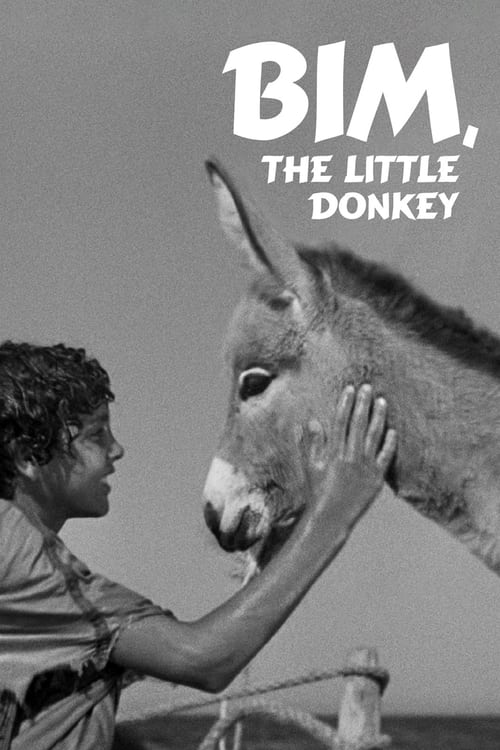
1960
1951
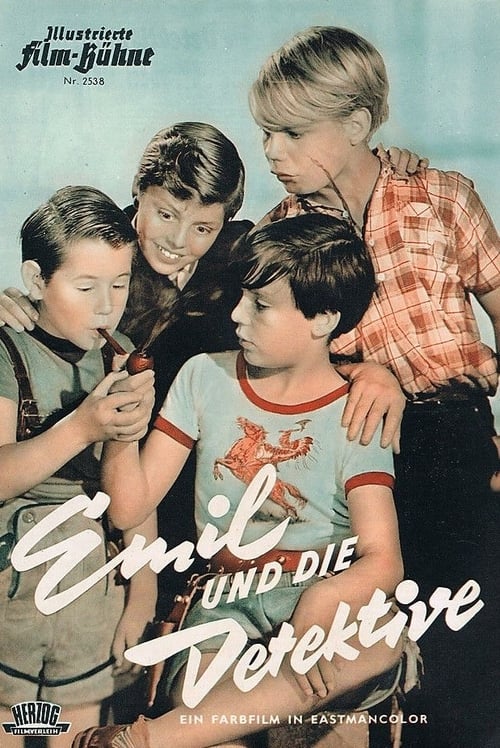
1954

2008
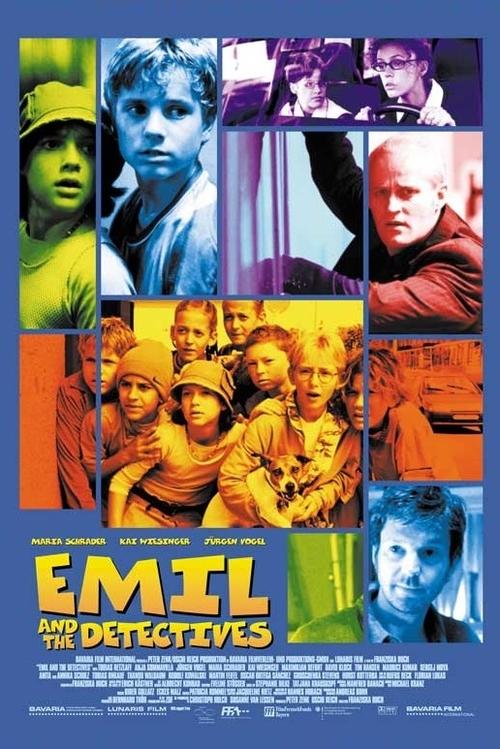
2001

2007
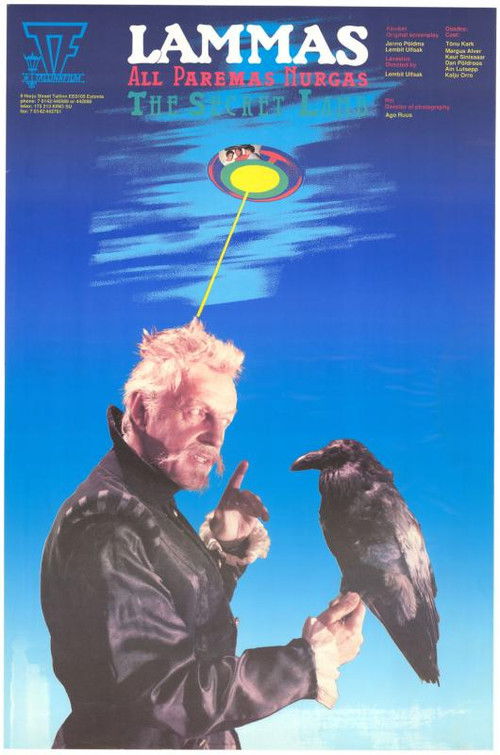
1992

1997
No reviews yet. Be the first to share your thoughts on this movie!
Use the rating form above to leave a star rating and optional review.