Capitalism: A Love Story
2009
No user ratings available yet
Representation score: 7.3 out of 10
Representation Score
Good
2007
PG-13Director
Michael Moore
Runtime
123 minutes
Average Rating
No ratings yetNew Showbiz Analysis
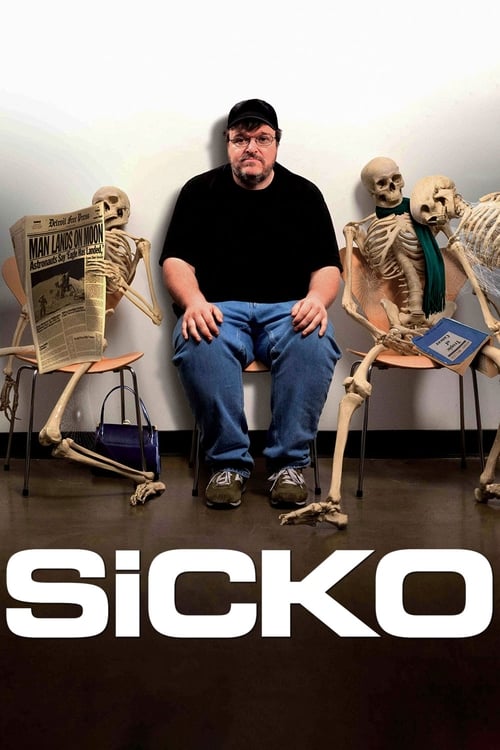
Sicko mainly critiques the American healthcare system rather than focusing on identity politics. Its strength lies in its global, multi-ethnic viewpoint, using international comparisons to show how healthcare impacts diverse populations across different countries. However, the film's emphasis on economic and policy structures leads to a lack of specific representation for LGBTQ+ and gender-based narratives. These identities aren't central to the film's argument, leaving these demographics largely unaddressed. Overall, the film effectively dismantles institutional power and capitalist norms, providing a broad, human-rights-focused view of medical care that transcends individual racial or ethnic boundaries.
Category Breakdown
The film doesn't include specific stories or critiques related to LGBTQ+ identities. It doesn't center these identities in its argument about healthcare.
The story focuses more on economic systems than on gender dynamics. While it avoids reinforcing patriarchal hierarchies, it doesn't highlight subverting gender roles or give much attention to women's ability to drive the story.
The film presents a global perspective on human rights by including voices from various countries. It features views from Canada, the UK, France, Germany, and Japan, offering a broader view beyond just Anglo-American perspectives.
The documentary critically examines Western capitalist institutions. It highlights how private insurance companies prioritize profit over human life, presenting this as a corrupting influence.
The film brings attention to those dealing with chronic illnesses and medical neglect. Subjects are shown taking control as they face systemic barriers to healthcare.
Present on Screen
Limited or Absent
Official Synopsis
A documentary about the corrupt health care system in The United States whose main goal is to make profit even if it means losing people’s lives. "The more people you deny health insurance, the more money we make" is the business model for health care providers in America.
2009

2014
2006
1989

2012
2013

2002
2011
No reviews yet. Be the first to share your thoughts on this movie!
Use the rating form above to leave a star rating and optional review.