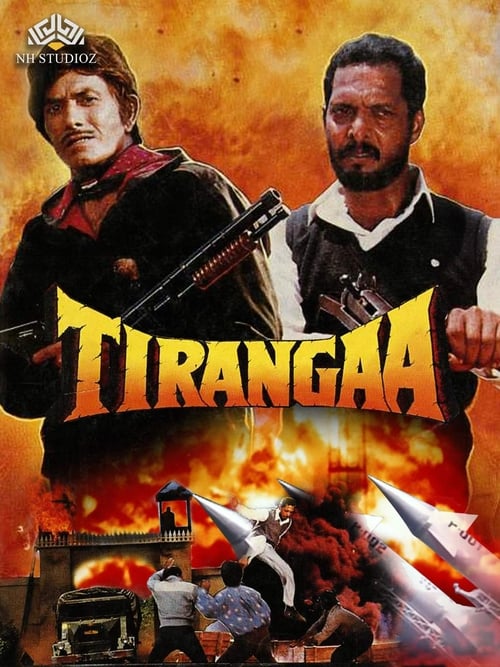
Tirangaa
1993
No user ratings available yet
Representation score: 1.3 out of 10
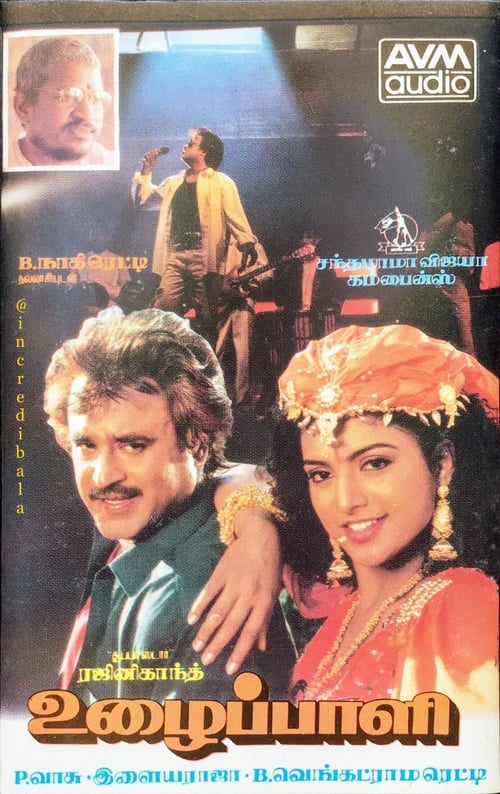
Representation Score
Limited
1993
Director
P. Vasu
Average Rating
No ratings yetNew Showbiz Analysis
Uzhaippali is a quintessential 1990s masala film that prioritizes high-stakes melodrama and traditional moral binaries. The narrative revolves around a working-class hero's journey, using stylized vigilantism to reclaim justice against a corrupt elite. While the film offers a localized critique of greed and the landed class, it relies on conventional good-versus-evil clichés. It reinforces traditional gender hierarchies and family roles rather than challenging social hierarchies. The film lacks depth in addressing multiple aspects of identity, focusing instead on personal integrity and individual retribution. It functions as a populist story of class identity, where the protagonist ultimately chooses his laborer status over inherited wealth.
Category Breakdown
The film adheres to a traditional structure that assumes everyone is straight and cisgender. There are no stories involving LGBTQ+ individuals or non-cisgender identities.
The story emphasizes masculine roles and the protector cliché. Female characters mainly serve as emotional anchors or romantic interests rather than being independent drivers of the plot.
The cast is culturally uniform, reflecting the specific regional Tamil context. It stays true to its cultural roots without incorporating diverse ethnicities.
The narrative centers on traditional morality and family honor. It critiques corruption through individual vengeance rather than addressing broader socio-political issues.
Mental health is used as a plot device through the protagonist's mother. Her condition serves as a catalyst for the hero's vengeance rather than having its own significance.
Present on Screen
Limited or Absent
Official Synopsis
Rajini is working as a coolie in a factory. He is asked by three brothers to act as a foreign-returned rich man the heir of a property. Rajini acts but always escapes as he doesn't want to face consequences. But then he comes to know that he is the heir to the property, his father was killed by three brothers to take away the property and mother became a mental patient. He avenges the death of his father by killing the villains. At last, he says he doesn't want to be an heir to money and always remains as a coolie.
1993

1989
1980

2002
2004
1979
1988
1985
No reviews yet. Be the first to share your thoughts on this movie!
Use the rating form above to leave a star rating and optional review.