
Runner Runner
2013
No user ratings available yet
Representation score: 1.1 out of 10
Representation Score
Limited
2003
RDirector
Richard Kwietniowski
Runtime
104 minutes
Average Rating
No ratings yetNew Showbiz Analysis
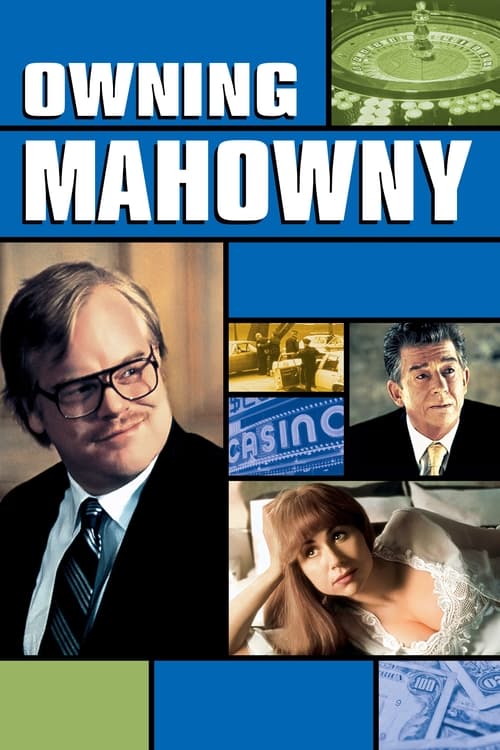
Owning Mahowny is a specialized character study that prioritizes psychological realism over broad demographic representation. It focuses on individual pathology rather than a diverse social tapestry. The film excels in its nuanced, postmodern approach to cultural representation, challenging the perceived infallibility of Western financial institutions. By treating addiction as a psychological condition, it offers a sophisticated look at invisible disabilities. However, the film lacks depth in representing diverse identities. It remains tethered to a homogeneous cast and a traditional focus on straight relationships, offering limited representation of race, gender ability to act, or LGBTQ+ identities.
Category Breakdown
The film focuses on a heterosexual relationship and does not include any LGBTQ+ identities or narratives involving queer theory.
The story revolves around a male protagonist and his compulsions. Women appear mainly in relation to him, without much independent ability to act.
The cast is predominantly white, reflecting the corporate environment of Toronto's financial district. It lacks intentional racial diversity.
The narrative dismantles the stability of Western financial institutions by highlighting the fragility of capitalist systems. It avoids traditional moral binaries through a clinical, detached perspective.
The film portrays pathological gambling as an invisible disability rather than a moral failing. However, it does not explore broader neurodivergence or disability rights.
Present on Screen
Limited or Absent
Official Synopsis
Dan Mahowny was a rising star at the Canadian Imperial Bank of Commerce. At twenty-four he was assistant manager of a major branch in the heart of Toronto's financial district. To his colleagues he was a workaholic. To his customers, he was astute, decisive and helpful. To his friends, he was a quiet, but humorous man who enjoyed watching sports on television. To his girlfriend, he was shy but engaging. None of them knew the other side of Dan Mahowny--the side that executed the largest single-handed bank fraud in Canadian history, grossing over $10 million in eighteen months to feed his gambling obsession.
2013

1974

2014
1987
1998
2003

2019
1999
No reviews yet. Be the first to share your thoughts on this movie!
Use the rating form above to leave a star rating and optional review.