Runaway Dreams
1989
No user ratings available yet
Representation score: 2.5 out of 10

Representation Score
Minimal
1971
Director
Gustav Ehmck
Runtime
86 minutes
Average Rating
No ratings yetNew Showbiz Analysis
The film presents a narrow dramatic scope centered on maternal intervention and social conditioning. While it elevates women's ability to drive the story through the act of saving a child, the narrative seems bound by the traditional social expectations of 1970s European cinema. The lack of diverse casting or non-traditional identities results in a very low diversity profile. The story focuses on domesticity and the formation of a 'well-behaved' identity, which reinforces conventional social hierarchies rather than disrupting them.
Category Breakdown
The film does not include any representation of non-straight relationships or gender non-conformity. The story focuses solely on a maternal relationship.
women's ability to drive the story drives the plot through the older woman's life-saving intervention. However, the emphasis on raising a 'well-behaved girl' suggests adherence to traditional gender roles.
The story appears to function within a homogeneous social framework. There is no evidence of a multi-ethnic cast or diverse racial backgrounds.
The film examines social conditioning and the imposition of societal norms. It focuses on individual development rather than challenging systemic or religious structures.
No characters are depicted navigating physical, mental, or neurodivergent conditions. The drama centers on the interpersonal bond between the savior and the child.
Present on Screen
Limited or Absent
Official Synopsis
A drama directed by Gustav Ehmck, a teenager lays a small bundle on the tracks, but before the oncoming train can cross it, an older woman saves the baby from certain death. She keeps little Sophie with her and raises her to be a well-behaved girl.
1989

1962

1966

1929

1998

1971

1971
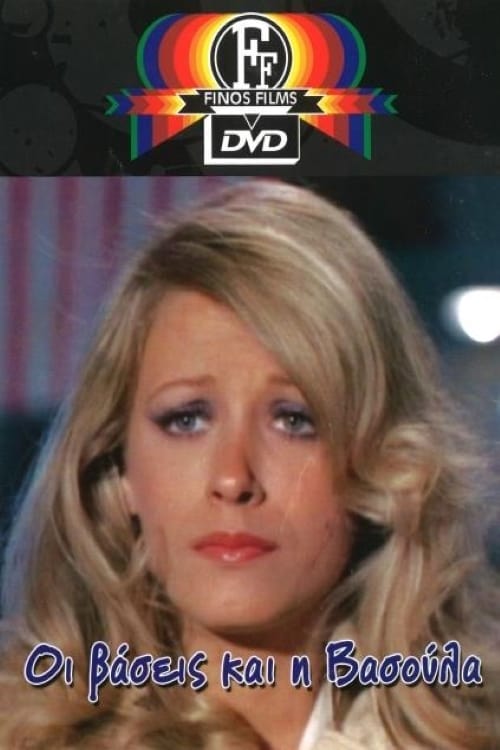
1975
No reviews yet. Be the first to share your thoughts on this movie!
Use the rating form above to leave a star rating and optional review.