Mekko
2015
No user ratings available yet
Representation score: 8.8 out of 10
Representation Score
Good
2011
RDirector
Gareth Maxwell Roberts
Runtime
91 minutes
Average Rating
No ratings yetNew Showbiz Analysis
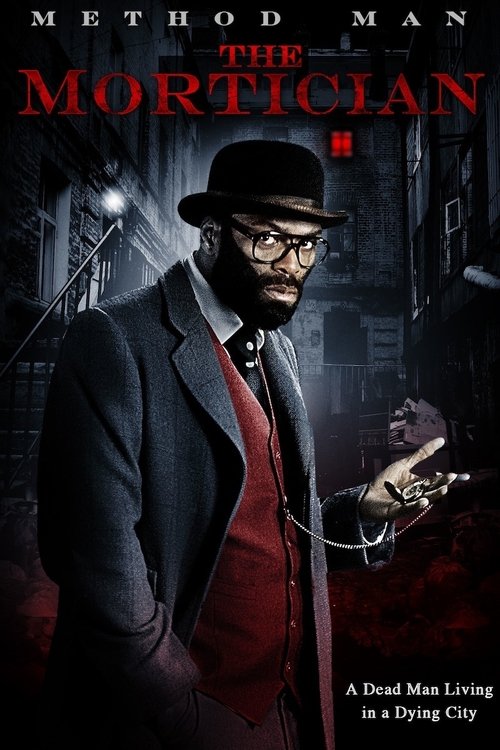
The film 'The Mortician' presents a gritty, character-driven study of social outsiders. By centering characters like a parolee and an alienated worker, the film moves away from homogeneous casting and explores systemic struggles. However, the film relies heavily on traditional masculine clichés and uses female characters primarily as plot devices. Psychological elements also lean toward standard cinematic clichés rather than nuanced depictions of mental health. Ultimately, the film's strength lies in its racial diversity and its exploration of the lives of those outside the traditional social contract.
Category Breakdown
The film does not include explicit queer romantic relationships or non-cisgender identities. The story focuses on interactions between male characters, staying within a conventional framework without highlighting LGBTQ+ characters' ability to act.
The story centers on masculine roles like stoic professionals and volatile youths. Female characters primarily act as symbolic catalysts, such as a deceased woman whose body triggers the protagonist's psychological journey.
Characters like Noah, who navigates the complexities of parole, contribute to meaningful inclusion. The diverse cast helps drive the central tension within a gritty, high-stakes environment.
The film explores characters on the fringes of society, including parolees and isolated workers. It focuses on unconventional alliances and the search for redemption, moving toward moral relativism.
Psychological trauma and haunting dreams serve as narrative devices for character development. These elements risk using mental distress as a plot tool rather than exploring neurodivergence with ability to act.
Present on Screen
Limited or Absent
Official Synopsis
Alienated and cold, The Mortician (Method Man) processes the corpses with steely disregard. He is lonely and isolated. He is introduced to his new employee, Noah, (EJ Bonilla) by the morgue boss (Edward Furlong). Noah is a volatile youth working as part of his parole.Noah brings the notorious gangster, Carver (Dash Mihok), and his crew to the mortuary door. The Mortician's attention is pricked by the tattoo of Botticelli's 'Birth of Venus' inked on the body of a murdered woman (Judy Marte), that arrives at the morgue, triggering a series of haunting dreams from his childhood. Discovering a scared child, Kane (Cruz Santiago), fleeing the morgue, he's forced to act. They become reluctant allies, struggling for redemption as they run. Through his awkward heroism, the Mortician reconnects with his long forgotten past, and finds the answers he's been searching for. He find redemption and peace.
2015

2003

2016
1992

2020
2019
2023

2002
No reviews yet. Be the first to share your thoughts on this movie!
Use the rating form above to leave a star rating and optional review.