Palmer
2021
No user ratings available yet
Representation score: 7.0 out of 10
Representation Score
Good
2019
Not RatedDirector
Logan Marshall-Green
Runtime
81 minutes
Average Rating
No ratings yetNew Showbiz Analysis
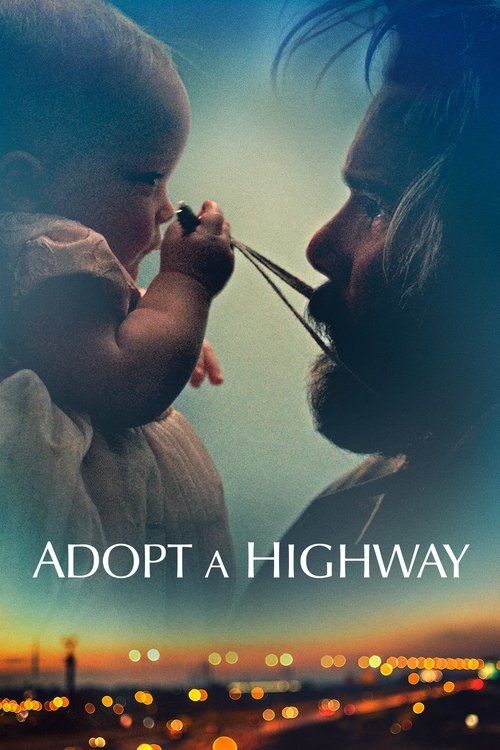
Adopt a Highway is a gritty character study that focuses on systemic critique rather than broad demographic representation. It effectively deconstructs the 'redemption' cliché, presenting it as an isolated struggle against an indifferent institutional landscape rather than a societal gift. While the film provides a sophisticated look at the consequences of rigid judicial systems and the failures of the carceral state, it lacks significant representation across various categories. The narrative is heavily centered on a singular male experience, limiting space for diverse gendered or LGBTQ+ perspectives. Ultimately, the film's strength lies in its exploration of moral relativism and the challenges of adapting to a rapidly changing world. It serves more as a social commentary on institutional failure than a diverse ensemble piece.
Category Breakdown
The film does not include visible LGBTQ+ characters or stories about non-straight identities. The plot focuses on the protagonist's personal journey and his relationship with his son.
The story centers around a single male perspective. It follows the protagonist's journey from prison to becoming a potential father.
The film addresses systemic issues like 'three strikes' laws and harsh drug sentencing policies. It highlights how these laws disproportionately affect underrepresented communities.
The story challenges traditional views of institutional effectiveness by focusing on a protagonist who is rejected by the legal system. It explores nuanced, non-binary approaches to morality and ethical dilemmas.
There are no explicit mentions of physical or neurodivergent disabilities. However, the protagonist faces psychological challenges in navigating modern technology during his social reintegration.
Present on Screen
Limited or Absent
Official Synopsis
Russ Millings has just been released from prison after serving 21 years for a 3rd strike conviction for possessing an ounce of marijuana. As he tries to adapt to a world he doesn’t recognize – including trying to learn how to use the internet – he finds an abandoned baby in a dumpster behind the fast food restaurant where he works as a dishwasher. Unsure of what to do, and caught between impulses of kindness and panic, Russ soon realizes this could be his chance at redemption.
2021

2006

2011

2003

2018

2014

2013
2012
No reviews yet. Be the first to share your thoughts on this movie!
Use the rating form above to leave a star rating and optional review.