Find another title
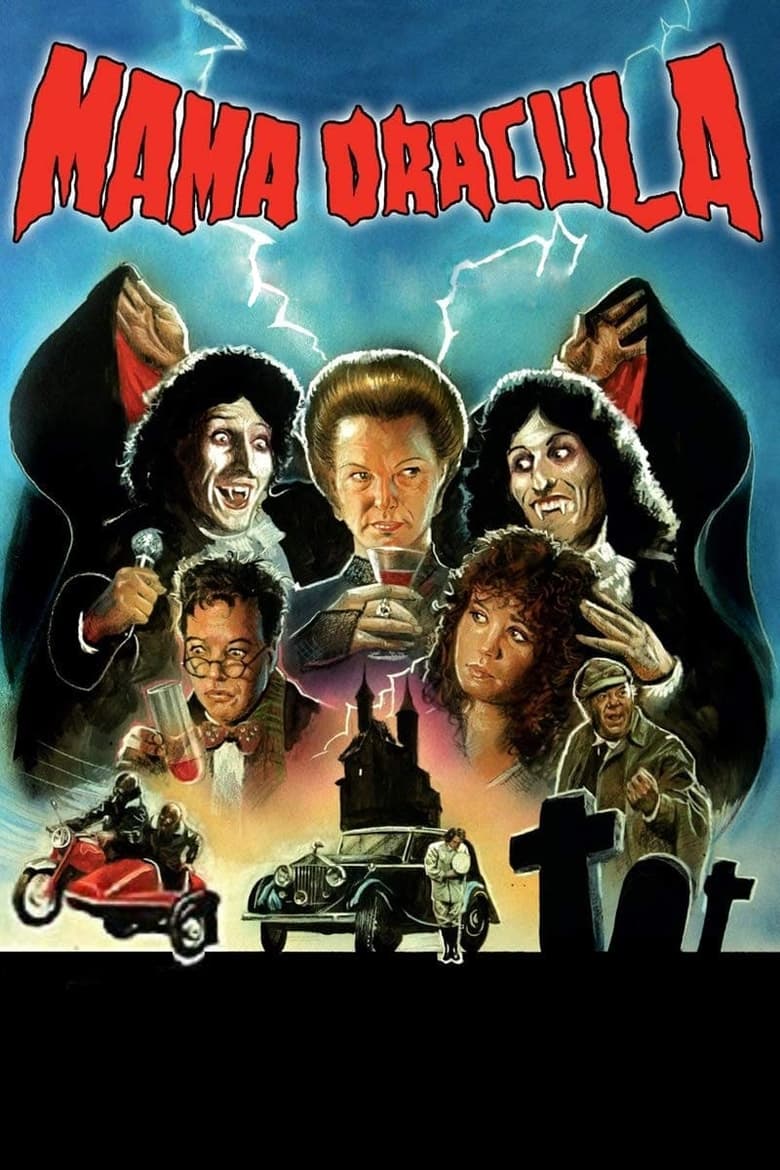
Mama Dracula
1980
Director
Boris Szulzinger
Runtime
90 minutes
Average Rating
No ratings yetSynopsis
A female vampire must bathe in the blood of virgins in order to stay alive. The trouble is that virgins are in short supply nowadays, and she is running into major problems in finding one.
Where to Watch
Diversity & Representation
Overall Score
Fair
Category Breakdown
LGBTQ+ Representation
The film centers on a female-driven survival struggle. While explicit non-heteronormative identities are not confirmed, the subversion of male-dominated vampire tropes often allows for queer-coded subtext.
Gender Representation
The narrative disrupts traditional hierarchies by positioning a woman as the central figure of power. She acts as the driver of the plot rather than a passive victim of supernatural violence.
Racial & Ethnic Diversity
There is no evidence of a diverse or non-Anglo-Saxon majority cast. The film appears to follow the standard aesthetic constraints of 1980s European genre cinema.
Religious & Cultural Diversity
The film employs moral relativism by framing predatory actions as biological necessity. This complicates traditional binaries of good versus evil through the protagonist's drive for survival.
Disability Representation
The film provides no information regarding the portrayal of physical or neurodivergent disabilities.
Strengths
- The film disrupts conventional gender hierarchies by making the female protagonist the central driver of the plot.
- It subverts the traditional 'predatory male' trope found in classic Gothic horror cinema.
- The narrative introduces moral complexity by framing the protagonist's actions as a matter of survival.
Areas for Improvement
- The film lacks evidence of racial or ethnic diversity within its cast.
- There is no explicit representation of LGBTQ+ identities or non-heteronormative relationships.
- The production does not address physical or neurodivergent disabilities.
AI Analysis
Mama Dracula offers a notable departure from classic Gothic horror by centering female agency. By making a woman the active predator driven by biological necessity, the film reverses the traditional power dynamics where women are typically the passive victims of male monsters. However, the film lacks significant intersectional depth. It shows little evidence of racial diversity or explicit LGBTQ+ representation, remaining largely within the conventional casting patterns of 1980s European genre cinema. Ultimately, the film's strength lies in its structural subversion of gender roles and its nuanced approach to morality, even if it lacks broader social representation.
Rate this Movie
Reviews
No reviews yet. Be the first to share your thoughts on this movie!
Use the rating form above to leave a star rating and optional review.