
Traumatika
2025
No user ratings available yet
Representation score: 3.2 out of 10
Representation Score
Good
2025
Director
James Ross II
Runtime
85 minutes
Average Rating
No ratings yetNew Showbiz Analysis
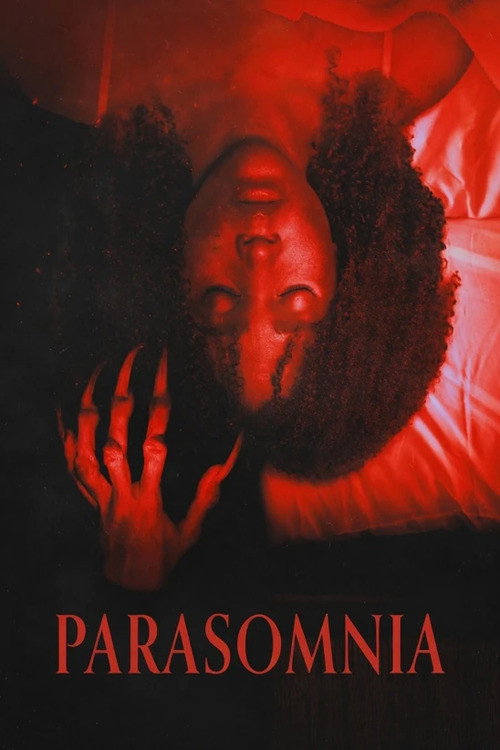
Parasomnia opens with the intimate, claustrophobic tension of a sleep disorder, framing Riley’s insomnia not just as a medical issue but as a gateway to supernatural horror. The film’s argument is that personal trauma, particularly around identity and family, can manifest as external threats. Riley, a Black woman adopted by white parents, is the moral and narrative center, her competence and agency driving the plot forward. The camera loves her resilience, positioning her as the one who must confront the "demon" of her past. However, the film’s internal logic pulls apart when it reduces complex psychological and cultural issues to a standard horror formula. The adoption backstory is mentioned but not deeply explored, serving more as a character detail than a thematic pillar. The ending, where Riley confronts the supernatural threat, reinforces her agency but does not challenge the broader systems that shaped her trauma. The film is a competent horror entry that centers a Black female protagonist but ultimately relies on traditional narrative structures to resolve its conflicts.
Category Breakdown
No queer characters or intimacy appear. The romantic focus is exclusively heterosexual, with no on-screen deviation from this default. Absence is total.
Riley drives the plot and confronts threats directly. Cam supports her, while David provides comic relief. Female competence is the norm, though traditional power structures remain intact.
Riley is a Black woman adopted by white people. Her identity is grounded in the narrative as fact, not tokenism. Diverse cast members support this integration.
Adoption and personal trauma form the cultural backdrop. The film uses these themes for psychological horror without heavily critiquing or upholding specific institutions.
Riley’s sleep disorder drives the supernatural plot. It is treated as tension and mystery, not a punchline. The condition serves primarily as a plot device.
Present on Screen
Limited or Absent
Official Synopsis
After her friend vanishes, Riley must confront the demon from her night terrors that may have crossed into reality, while facing her own tragic past.
2025
2015

2025
2026
2022
2012

2023
2026
No reviews yet. Be the first to share your thoughts on this movie!
Use the rating form above to leave a star rating and optional review.