
Coqueta
1983
No user ratings available yet
Diversity score: 3.5 out of 10
1988
Director
René Cardona Jr.
Runtime
105 minutes
Average Rating
No ratings yetSynopsis
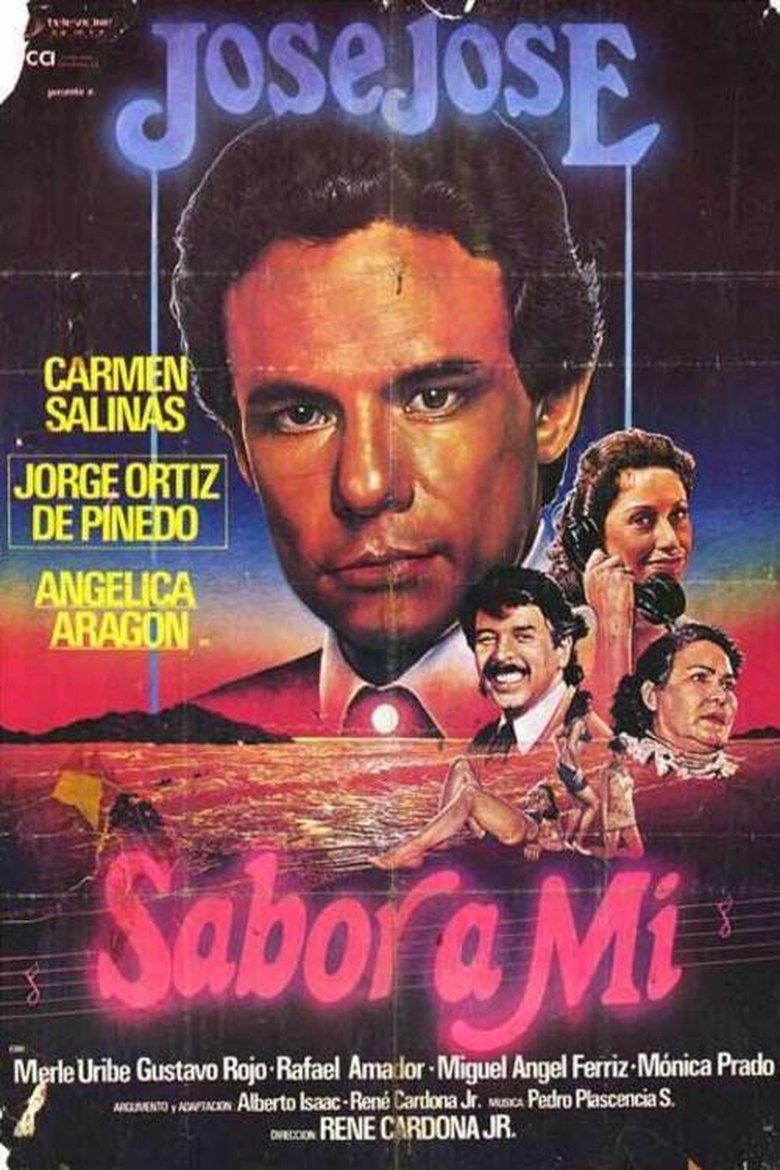
A biopic on the life of Mexican composer Álvaro Carrillo Morales.
Overall Score
Fair
Category Breakdown
LGBTQ+ Representation
The film aligns with conventional romantic tropes of its era. There is no documented evidence of queer agency or the disruption of heteronormative structures.
Gender Representation
While Angélica Aragón suggests a central female role, the film likely favors traditional romantic hierarchies. It lacks evidence of subverting gender roles or portraying female intellect as superior.
Racial & Ethnic Diversity
The production features a predominantly Latin American cast, providing a non-Anglo-Saxon majority. This serves as a cultural baseline rather than a deliberate disruption of racial hierarchies.
Religious & Cultural Diversity
The narrative operates within traditional frameworks, likely reinforcing 1980s social and moral values. There is no evidence of secularist or anti-Western narratives challenging established institutions.
Disability Representation
There is no documented evidence of characters with disabilities possessing agency. The film does not show integrated portrayals that avoid mockery or inspiration porn.
Strengths
Areas for Improvement
AI Analysis
Sabor a mí is a product of its time, functioning as a traditional romantic or musical drama. It relies on the era's standard storytelling structures rather than attempting to subvert social norms or promote intersectional agency. The film's strength lies in its cultural authenticity, featuring a predominantly Latin American cast and prominent regional figures like José José. This provides a non-Hollywood-centric perspective common to late 20th-century Latin American cinema. However, the film lacks intentionality regarding progressive representation. It maintains conventional social hierarchies and lacks documented evidence of diverse identities, such as LGBTQ+ characters or characters with disabilities, being given meaningful agency.
1983
1980
1947

1972

1967

1965

1991

1969
1968

1990
No reviews yet. Be the first to share your thoughts on this movie!
Use the rating form above to leave a star rating and optional review.